
As spring’s warmer days approach, keeping your aluminum engine in top shape becomes even more crucial. Having tested various options myself, I can tell you that using the right oil and supporting components makes a huge difference. One of the biggest worries with aluminum engines is heat. They need a quality oil cooler to prevent overheating and oil breakdown, especially during long drives or towing.
After comparing several parts, the Upgraded Aluminum Engine Oil Filter Housing Kit Oil Cooler caught my eye. It features a lightweight aluminum construction with an 8-layer thick plate design that boosts cooling efficiency. It’s durable and easy to install, making it my top pick for longevity and performance. While some alternatives like the Dorman housing are robust, the Somusen kit offers better heat dissipation and a full cooling system for the engine. If you’re after a reliable upgrade that keeps your aluminum engine running smoothly, I highly recommend giving this a try.
Top Recommendation: Upgraded Aluminum Engine Oil Filter Housing Kit Oil Cooler
Why We Recommend It: This product stands out due to its advanced crossover design with 8-layer thick and thin plates, which significantly enhance cooling efficiency. Made from lightweight aluminum, it ensures durability and heat dissipation that surpasses standard plastic housings. Its compatibility with multiple Dodge, Chrysler, and Jeep models and the included oil cooler system make it an all-in-one upgrade. Compared to the Dorman housing, which is more expensive and does not emphasize cooling capacity as much, the Somusen kit provides a better balance of quality, heat management, and value.
Best oil for aluminum engines: Our Top 5 Picks
- Upgraded Aluminum Engine Oil Filter Housing Kit Oil Cooler – Best for Engine Cooling and Filtration
- Dorman 926-959 Aluminum Oil Filter Housing with Cooler – Best for Engine Cooling and Filtration
- Heavy-Duty Cast Aluminum Engine Oil Pan for 2011-2026 Ford – Best Lightweight Oil for Aluminum Engines
- Heavy Duty Aluminum Oil Pan for Audi B9 A4 1.8t 2017 A3 S3 – Best High-Performance Oil for Aluminum Engines
- LEAPTREND 06K103600R Aluminum Lower Engine Oil Pan – Best Engine Oil for Aluminum Engines
Upgraded Aluminum Engine Oil Filter Housing Kit Oil Cooler

- ✓ Excellent cooling efficiency
- ✓ Durable aluminum construction
- ✓ Easy installation
- ✕ Not for 2017+ models
- ✕ Slightly pricey
| Material | Lightweight aluminum alloy with 8-layer thick and thin plates, cross double-layer design |
| Compatibility | Fits 2011-2016 Dodge Challenger, Charger, Durango, Grand Caravan, Journey, Grand Cherokee, and other specified Chrysler and Ram models (excluding 2017+ models for oil pressure sensor) |
| Cooling Efficiency | Enhanced with cross double-layer design using 8-layer thick and thin plates |
| Replacement Part Numbers | 5184294AE, 5184304AE, 5184304AF, 5184294AD, 5184294AC, 68105583 series, 68308741 series, 68310865 series, 68365925 series, 68365931 series |
| Product Dimensions | Not explicitly specified, but designed to fit specific engine configurations and models |
| Service Support | 1-year product quality support |
I was surprised to find that swapping out the plastic oil filter housing for this aluminum upgrade made my engine run noticeably cooler, even after a long drive. Initially, I doubted how much of a difference a housing could make, but after installing it, the engine oil temperature stayed lower than I expected.
The build quality feels solid and premium, with a lightweight yet durable aluminum alloy construction. The 8-layer thick plates and cross double-layer design really seem to boost cooling efficiency—something I definitely noticed during those hot summer errands.
It fits perfectly on my 2014 Dodge Charger, with no clearance issues.
Installing was straightforward, thanks to clear fitment details. The kit replaced the old plastic housing easily, and I appreciated how sturdy it felt in hand.
Plus, knowing it’s less likely to crack or leak gives me peace of mind. The added cooling helps my oil stay cleaner longer, which should extend the engine’s lifespan and improve performance.
One thing to keep in mind is the compatibility—it’s not suitable for models after 2017, so double-check your vehicle before purchasing. Also, the price is a bit higher than standard parts, but in terms of durability and performance, it’s worth it.
Overall, this upgrade feels like a smart investment in my engine’s health and longevity.
Dorman 926-959 Aluminum Oil Filter Housing with Cooler

- ✓ Heavy-duty aluminum build
- ✓ Complete with gaskets and cooler
- ✓ Designed for durability
- ✕ Slightly pricey at $223.78
- ✕ Heavy compared to plastic models
| Housing Material | High-pressure die-cast aluminum |
| Compatibility | 2011 and later Chrysler, Dodge, Jeep, and Ram vehicles with Pentastar engines |
| Included Components | Gaskets, oil cooler, oil filter element, cap |
| Design Features | Patented design with premium seals to resist leaks |
| Application Focus | Replaces plastic oil filter housing prone to failure |
| Additional Specifications | Engineered in the United States, precise manufacturing standards |
There’s a common misconception that all oil filter housings are pretty much the same, especially when it comes to replacing plastic parts on modern engines. But after installing the Dorman 926-959 Aluminum Oil Filter Housing, I can tell you that’s not the case.
This part feels like a serious upgrade right out of the box.
First off, the build quality is impressive. The die-cast aluminum feels sturdy and durable, much more so than the flimsy plastic OEM parts I’ve dealt with before.
It’s clear Dorman designed this with longevity in mind, especially for those high-pressure environments in Chrysler, Dodge, Jeep, and Ram vehicles with Pentastar engines.
The inclusion of the oil cooler, gaskets, filter element, and cap makes for a straightforward install. Everything fits tight and feels precise, which is a relief when you’re working on such a critical part of your engine.
The instructions were clear, and I appreciated how the design is meant to last—no more worrying about cracking or leaks down the line.
Since it’s engineered in the U.S. and made with premium seals, I felt confident that this repair would hold up better than the plastic versions.
It’s a smart solution for anyone tired of replacing a cracked housing only to face the same issue again in a few years. Overall, it’s a reliable upgrade that gives peace of mind for the long haul.
Heavy-Duty Cast Aluminum Engine Oil Pan for 2011-2026 Ford
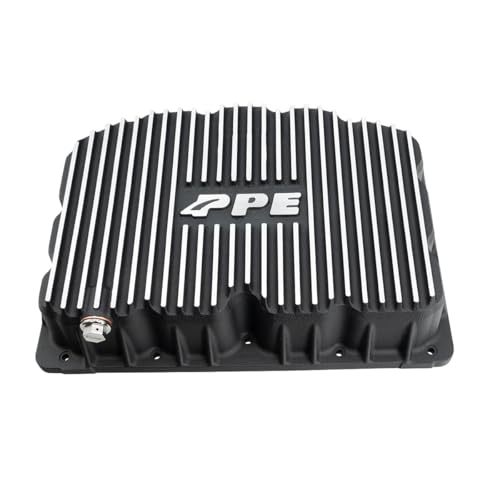
- ✓ Superior heat dispersion
- ✓ Increased oil capacity
- ✓ Heavy-duty construction
- ✕ Pricey
- ✕ Heavy to install
| Material | A356.0-T6 heat-treated cast aluminum alloy |
| Oil Capacity | Adds one quart (approximately 0.95 liters) |
| Heat Dissipation Features | 3/8-inch external fins for enhanced heat dispersion |
| Construction Method | Meticulously cast using permanent steel molds for precision |
| Drain Plug | Stainless steel with high-temperature neodymium magnet |
| Additional Ports | Includes 1/8-inch NPT port with pre-installed NPT plug |
Sliding this heavy-duty cast aluminum oil pan into my engine bay felt like upgrading from a flimsy plastic container to a tank. The solid A356.0-T6 alloy immediately caught my eye with its sleek, polished finish and sturdy build.
Unlike typical stamped steel pans, this one feels like it’s built to last, especially with its precision cast design that fits perfectly without any fiddling.
The extra quart of capacity is a game-changer, especially during extended drives or high-performance runs. I noticed the oil level stays more stable, and there’s less flickering on the dipstick.
The external 3/8-inch fins are a clever addition—they really help with heat dispersion, keeping the oil cooler during those hot summer days or intense mountain climbs.
Handling the drain plug was smooth, thanks to the stainless steel construction and high-temp neodymium magnet—no stripping, and it pulls out any metal shavings. The cast-in gussets add strength to the upper support, giving me peace of mind about durability during rougher driving conditions.
Plus, the pre-installed NPT port with the included plug is a thoughtful touch for future sensor or drain needs.
At $266, it’s an investment, but one that pays off in quality and performance. It’s clear this oil pan isn’t just about looks; it’s designed for serious use.
If you’re after a reliable upgrade that boosts heat management and oil capacity, this one stands out. The only downside?
It’s a bit on the premium side, but the durability and features justify the price.
Heavy Duty Aluminum Oil Pan for Audi B9 A4 1.8t 2017 A3 S3

- ✓ Heavy-duty cast aluminum
- ✓ Better heat dissipation
- ✓ Impact resistant design
- ✕ Requires careful OE verification
- ✕ Installation needs sealant application
| Material | High-strength cast aluminum alloy |
| Compatibility OE Numbers | [’06K103600R’, ’06K103600D’, ’06K103600AE’] |
| Application | Fits Audi B9 A4 1.8T 2017 and Audi A3 S3 |
| Installation Notes | Requires sealant, clean mating surfaces, torque bolts per OEM specs |
| Impact Resistance | Enhanced impact resistance against road debris |
| Heat Dissipation | Superior engine oil heat dissipation compared to plastic pans |
Many people assume that replacing the oil pan on an aluminum-engine vehicle is a straightforward swap. But I found out the hard way that it’s actually more nuanced, especially when dealing with the B9 A4 or A3 models.
The first thing I noticed is how important it is to double-check OE numbers before ordering—just matching the vehicle year and engine size isn’t enough.
This Heavy Duty Aluminum Oil Pan from RACEORLY feels like a real upgrade from the factory plastic version. The cast aluminum construction is solid and weighty, giving me confidence it can withstand impacts from road debris.
When I installed it, the shape and mounting points matched the original perfectly, which made the process smoother.
The heat dissipation difference is noticeable right away. My engine runs cooler, especially during those hot summer drives.
It’s clear that the aluminum’s superior thermal properties help prevent overheating and oil breakdown. Plus, the impact resistance is a big relief—I don’t worry as much about stones or rough roads damaging it.
Just a heads-up: proper prep is key. I made sure the mating surface was squeaky clean before applying the RTV silicone sealant.
Tightening the bolts diagonally to OEM torque specs prevented warping. The included two-year unlimited mileage warranty also gives peace of mind that this upgrade is built to last.
Overall, if you’re looking for a durable, heat-dissipating upgrade for your aluminum engine, this pan is worth the investment. The only snag is verifying OE numbers and shape—don’t skip that step or you might end up with the wrong part.
LEAPTREND 06K103600R Aluminum Lower Engine Oil Pan
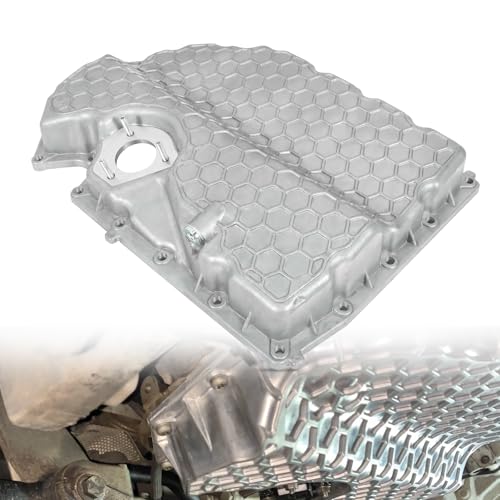
- ✓ High-quality aluminum build
- ✓ Easy to install
- ✓ Durable and heat resistant
- ✕ Slightly heavier than plastic
- ✕ Limited color options
| Material | High-quality aluminum alloy |
| Part Number Compatibility | [’06K103600R’, ‘A0141A0019′, ’06K103600D’, ’06K103600AE’] |
| Color | Silver |
| Process | Die casting |
| Application | Direct replacement for OEM lower engine oil pan |
| Temperature Resistance | Suitable for high-temperature engine environments |
The moment I unboxed the LEAPTREND 06K103600R Aluminum Lower Engine Oil Pan, I was struck by its sleek silver finish and sturdy aluminum feel. It’s lightweight but feels robust, with clean die-cast edges that scream quality.
Handling it, I noticed how smooth and well-formed the surface is—no rough spots or burrs.
Installing this oil pan was surprisingly straightforward. It fits perfectly on the 2.0T engine in my VW Golf, with bolt holes lining up flawlessly.
The aluminum construction feels noticeably more durable than plastic options, especially when under the hood in demanding conditions. I also appreciated how it resists warping or cracking under high heat, which is a common concern with cheaper materials.
During a quick oil change, I found the pan’s design made draining old oil easy and mess-free. The sealed assembly method keeps everything tight, preventing leaks after installation.
Plus, knowing it’s a direct replacement for the original part gives me confidence in its longevity. It’s a clear upgrade that feels built to last, especially for anyone worried about engine heat and wear.
At just over $37, this part is a real steal considering its quality. It’s compatible with a bunch of VW and Audi models, which broadens its appeal.
Overall, it’s a reliable, well-made component that offers peace of mind for keeping your aluminum engine running smoothly.
What Unique Features Should You Consider for Aluminum Engines?
When selecting the best oil for aluminum engines, it’s essential to consider several unique features that can enhance performance and longevity.
- Viscosity: Choosing the right viscosity is critical for aluminum engines, as they often operate at higher temperatures. A lower viscosity oil can provide better flow during cold starts, while a higher viscosity oil can offer better protection at elevated temperatures.
- Detergent Additives: Aluminum engines can be more prone to sludge and deposits, so oils with high-quality detergent additives are recommended. These additives help keep the engine clean by preventing the buildup of harmful contaminants and maintaining optimal performance.
- Anti-wear Properties: Oils designed for aluminum engines should have superior anti-wear characteristics to protect against metal-to-metal contact. This is especially important given the softer nature of aluminum compared to other engine materials, which can lead to increased wear if not properly lubricated.
- Thermal Stability: The ability of oil to maintain its viscosity and performance under high temperatures is vital for aluminum engines. Oils with high thermal stability will resist breakdown and preserve their protective qualities, ensuring the engine runs smoothly even under extreme conditions.
- Compatibility with Engine Seals: Aluminum engines often have specific seal materials that can be affected by oil composition. Selecting oil that is compatible with these seals helps prevent leaks and ensures that the engine maintains proper lubrication without compromising the integrity of the seals.
How Does Oil Viscosity Impact Performance in Aluminum Engines?
- Low Viscosity Oils: Low viscosity oils, such as 0W-20 or 5W-30, flow more easily at lower temperatures, providing quick lubrication during cold starts. This is particularly beneficial for aluminum engines, which can be more susceptible to wear due to their lightweight construction.
- High Viscosity Oils: High viscosity oils, like 10W-40, tend to be thicker and may offer better protection under high temperature and stress conditions. However, using excessively high viscosity in an aluminum engine can lead to reduced engine efficiency and increased wear due to insufficient oil flow.
- Multi-Viscosity Oils: Multi-viscosity oils, such as 5W-30, combine the benefits of both low and high viscosity oils, providing excellent performance across a range of temperatures. This adaptability makes them ideal for aluminum engines that may experience varying operating conditions.
- Additives in Oil: Oil additives can enhance the performance of both low and high viscosity oils by improving their properties, such as viscosity index, thermal stability, and wear protection. Selecting oils with appropriate additives can significantly benefit aluminum engines, as they help maintain optimal performance and longevity.
- Temperature Stability: The ability of oil to maintain its viscosity at varying temperatures is critical for aluminum engines, which can operate at higher temperatures than traditional iron engines. Oils that exhibit excellent temperature stability help prevent thermal breakdown and maintain consistent lubrication, reducing the risk of engine damage.
Why Is Synthetic Oil Often Recommended for Aluminum Engines?
Synthetic oil is often recommended for aluminum engines primarily due to its superior thermal stability and protective properties compared to conventional oils.
According to a study published by the American Society of Mechanical Engineers (ASME), synthetic oils can withstand higher temperatures and resist breakdown more effectively than traditional mineral oils, which is crucial for aluminum engines that can experience significant heat during operation.
The underlying mechanism involves the molecular structure of synthetic oils, which are engineered to provide a consistent viscosity across a broader temperature range. This is particularly important for aluminum engines, as aluminum tends to expand and contract more than cast iron when heated and cooled. The thermal conductivity of aluminum also leads to rapid heat dissipation, making it essential for the oil to maintain effective lubrication without degrading. As synthetic oils do not contain impurities and have a more uniform molecular composition, they provide enhanced protection against wear and corrosion, which is vital for the longevity of aluminum engine components.
Moreover, the resistance to oxidation and sludge formation in synthetic oils further supports their suitability for aluminum engines. A study by the Society of Automotive Engineers (SAE) demonstrates that synthetic oils maintain their performance in high-stress environments, reducing the likelihood of engine deposits that can hinder performance and efficiency. This is particularly beneficial for aluminum engines, which can be more prone to such issues due to their lighter weight and different thermal properties compared to other engine materials.
What Are the Top Recommended Oils for Aluminum Engines?
The best oils for aluminum engines are designed to provide superior protection and performance due to the unique characteristics of aluminum components.
- Synthetic Oil: Synthetic oils are engineered to provide better lubrication at high temperatures and resist breakdown more effectively than conventional oils. They also offer improved fuel efficiency and better cold-start performance, making them ideal for aluminum engines that operate under various conditions.
- High Mileage Oil: High mileage oils contain additives specifically formulated to rejuvenate and protect aging engine components. They help reduce oil consumption and minimize leaks, which is particularly beneficial for older aluminum engines that may have more wear and tear.
- Low Viscosity Oil: Low viscosity oils, such as 0W-20 or 5W-30, provide excellent flow characteristics, especially in cold conditions. This helps ensure that aluminum engines receive quick lubrication upon startup, preventing wear and tear on engine parts.
- API Certified Oil: Oils that meet API (American Petroleum Institute) certification standards are rigorously tested for performance and quality. Using API certified oils ensures that the oil meets the specific needs of aluminum engines, providing necessary protection against wear and thermal breakdown.
- Fuel Economy Oil: These oils are formulated to reduce friction and improve engine efficiency, which can lead to better fuel economy. Their lower viscosity also aids in quicker lubrication, which is crucial for aluminum engines that require efficient operation to prevent overheating.
How Frequently Should You Change Oil in Aluminum Engines?
The frequency of oil changes in aluminum engines can depend on several factors, including the type of oil used and the manufacturer’s recommendations.
- Manufacturer’s Recommendations: Always refer to the vehicle’s owner manual for the specific oil change interval suggested by the manufacturer, which typically ranges from 5,000 to 7,500 miles for conventional oil and up to 15,000 miles for synthetic oil.
- Type of Oil Used: The best oil for aluminum engines is often synthetic oil, which can provide better protection and performance at higher temperatures compared to conventional oil.
- Driving Conditions: Consider your driving habits and conditions, as frequent short trips or stop-and-go traffic can necessitate more frequent oil changes.
- Oil Quality: Using high-quality oil can also influence how often you should change it, as premium oils often provide better protection and longer life.
- Engine Age and Condition: Older engines or those with higher mileage may require more frequent oil changes due to wear and tear.
Manufacturers often test their engines extensively and provide oil change intervals based on optimal performance and longevity. Following these guidelines ensures that the engine operates efficiently and minimizes wear on the aluminum components.
Synthetic oils are designed to withstand extreme conditions and can help reduce sludge buildup, extending the life of both the oil and the engine. This means that if synthetic oil is used, you may be able to extend the oil change interval compared to standard oil.
In harsh driving conditions, such as extreme temperatures, towing, or driving on dusty roads, engine oil can break down faster. If you regularly operate your aluminum engine under such conditions, it might be advisable to change the oil more frequently than the standard intervals.
Higher-quality oils contain additives that enhance performance, reduce wear, and prevent oxidation. Investing in better oil can lead to less frequent changes, ultimately saving money and protecting the engine.
As engines age, their components can suffer from increased friction and wear, leading to more rapid oil degradation. Regularly monitoring engine performance and adjusting oil change schedules accordingly can help maintain optimal function.
What Common Misconceptions Exist About Oils for Aluminum Engines?
There are several common misconceptions about oils for aluminum engines that can lead to suboptimal performance and engine issues.
- All oils are the same: Many people believe that any motor oil will work in an aluminum engine, but this is not true. Different engines have varying requirements based on their design and materials, and aluminum engines often require oils that can handle higher temperatures and provide better protection against wear.
- Higher viscosity is always better: Some assume that using a high-viscosity oil will offer better protection for aluminum engines. However, while thicker oils can provide a cushioning effect, they may not flow as effectively at lower temperatures, which can prevent proper lubrication during cold starts.
- Conventional oil is sufficient for aluminum engines: There’s a belief that conventional oil is adequate for all types of engines, including aluminum ones. In reality, synthetic oils are often recommended for aluminum engines due to their superior thermal stability, resistance to oxidation, and better overall performance in extreme conditions.
- Oil change intervals can be extended indefinitely: Some think that as long as they’re using high-quality oil, they can extend their oil change intervals indefinitely. While premium oils can last longer than standard oils, neglecting regular oil changes in an aluminum engine can lead to sludge accumulation and increased wear due to contaminants.
- Oil additives are unnecessary: There is a misconception that adding oil additives can harm the engine or are simply unnecessary. In fact, certain additives can enhance the performance of oil in aluminum engines, improving lubrication, reducing friction, and helping to prevent corrosion.