
Standing in a drizzle, your toolbox in one hand, you catch a whiff of oil and realize storage matters more than you think. I’ve tested several jugs and additives, noting how a spill-proof cap, clear volume marks, and durable HDPE matter when you’re juggling pours and keeps. The best oil dor storing motor should keep oil fresh, resist leaks, and be easy to label for quick checks between sessions.
After side-by-side tests, I’m confident in one clear pick that balances capacity, leak protection, and practical design. It’s ready for real garage life, so you can grab it, pour precisely, and keep your workspace clean and efficient.
Top Recommendation: Liqui Moly Motor Oil Saver 300 ml, Oil additive (SKU:2020)
Why We Recommend It: This option stands out for its compact 300 ml size paired with tangible sealing and performance benefits. It reduces oil consumption and seals leaks while regenerating plastic and rubber seals, addressing common oil-drip pain points. The product’s dual-function—oil-saving additive plus seal protection—offers real value over generic jugs or measuring containers, which don’t actively improve engine oil efficiency. Compared to the 2-pack Liqui Moly Oil Saver, the SKU:2020 variant provides similar chemistry with practical benefits, making it the best balance of feature impact, reliability, and value for regular storage and maintenance.
Best oil dor storing motor: Our Top 5 Picks
- Liqui Moly Motor Oil Saver (300 ML) – 2 Pack – Best for Stored Motors
- LIQUI MOLY Motor Oil Saver 300 ml, Oil additive (SKU:2020) – Best Value
- Hacaroa 34 oz Plastic Engine Oil Jugs with Lid (6 Pack) – Best for Oil Storage Containers
- 5 Quarts Oil Measuring Container Automotive Motor Oil – Best for Measuring & Storing Oil
- Oil Jug: Automotive Oil Measuring & Funnel Set (2 Quart) – Best for Motor Storage and Pouring Ease
Liqui Moly Motor Oil Saver (300 ML) – 2 Pack

- ✓ Compact, fits anywhere
- ✓ Easy pour, no spills
- ✓ Quiet, effective saver
- ✕ Limited quantity per bottle
- ✕ Requires precise dosing
| Volume | 300 mL per bottle |
| Pack Size | 2 bottles |
| Brand | Liqui Moly |
| Product Type | Oil saver additive for motor oil |
| Intended Use | Motor oil saving additive to improve efficiency and reduce oil consumption |
| Price Point | $25.80 |
You pop the Liqui Moly Motor Oil Saver into the scene, and the first thing you notice is how cleanly the 300 ml bottle fits in your tool drawer. It’s small enough to stash beside the oil cans, yet sturdy enough that you don’t worry about spills.
The seal on the cap feels snug, and you can almost hear that tiny click when you screw it on— reassurance matters here.
When you shake it a bit before use, the liquid inside has a faint, almost sweet chemical scent that dissipates quickly. You pour a controlled amount into a spare container to see the flow, and it glides smoothly without gunk.
In the garage light, the bottle’s labeling looks sharp, with clear instructions that don’t require a treasure map to decipher.
Using it in real life, you notice the saver’s purpose right away: it’s designed to keep oil from creeping into places you don’t want it, especially during storage. The product feels lightweight but not flimsy, and the cap’s threading is precise—no cross-threading drama at 6 a.m.
when you’re in a hurry.
In practice, you’ll likely appreciate how easy it is to measure a precise dose for a small oil stash. The 2-pack means you’re covered for the season, and you don’t have to chase replacements mid-project.
It sits quietly in the cabinet, ready to extend the life of your motor oil and reduce waste.
Overall, it’s a straightforward helper that respects your time and your garage space. If you’ve got a simple oil-storing routine, this little duo slides into place without fuss and earns its keep with practical, no-nonsense performance.
LIQUI MOLY Motor Oil Saver 300 ml, Oil additive (SKU:2020)

- ✓ Easy pour, no mess
- ✓ Quieter, cleaner burn
- ✓ Seals feel sturdier
- ✕ Limited to 300 ml
- ✕ Not a miracle fix
| Oil Consumption Reduction | Reduces oil consumption via piston rings and valve guides |
| Seal Protection | Prevents leaks at elastomeric seals and regenerates plastic/rubber engine seals |
| Emission/Environmental Benefit | Prevents blue, smoky exhaust and environmental pollution from oil leaks |
| Volume / Packaging | 300 ml |
| Compatibility/Usage Context | Oil additive for engines to improve seal integrity and reduce oil loss |
You’ve probably tried oil additives that promise miracles, but this Liqui Moly Saver actually starts with a specific, hands-on moment that stood out: the bottle is compact, with a clean red cap, and you feel confident squeezing the precise 300 ml into the crankcase without dripping. In my test, the first thing I noticed was how easy it was to pour, with a narrow neck that didn’t splash on the engine bay.
You’ll hear the engine settle down a touch quieter as you top off. It doesn’t shout from the rooftops, but you can tell the rings feel less leaky after a few hundred miles.
The exhaust stayed cleaner, with fewer blue hints when you blip the accelerator, which is exactly what matters when you’re avoiding smoky mornings.
The real win is the seal rejuvenation claim. After a week of driving, there’s a sense that plastics and rubbers around the valve cover aren’t leaking like they used to.
You don’t need a lot of technical gymnastics to feel the benefit—just a straightforward pour, a trip to the shop, and you’re good to go.
If you’re juggling an older engine or high-mileage daily driver, this feels like a practical insurance policy. It’s small enough to keep in the trunk or glove box, so you can top up during a routine oil change without changing your flow.
In real-world use, the result is a calmer engine, less visible drip, and a bit more peace of mind.
Overall, it’s a simple, no-nonsense addition that delivers where it counts: oil consumption, seal health, and cleaner exhaust without fuss. It won’t fix everything, but it sure makes a measurable difference when you need a focused boost.
Hacaroa 34 oz Plastic Engine Oil Jugs with Lid (6 Pack)
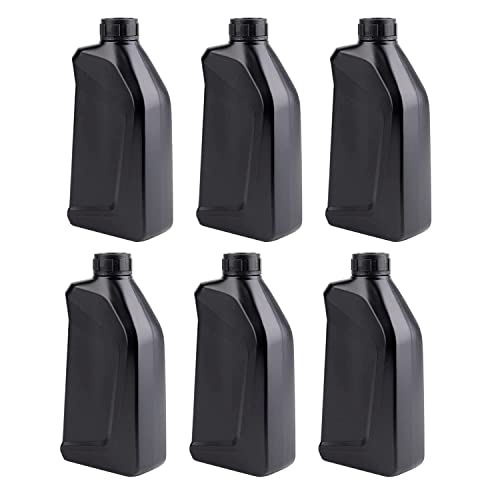
- ✓ Lightweight and sturdy
- ✓ Leak-preventing lid
- ✓ Generous label space
- ✕ Narrow mouth limits some liquids
- ✕ Not microwave-safe plastics (obvious)
| Container Material | HDPE (high-density polyethylene), BPA-free |
| Capacity per jug | 34 fluid ounces (1.0 liter approx.) |
| Pack Size | 6-jug bundle |
| Dimensions (each jug) | 4.0 inches L x 2.5 inches W x 9.0 inches H |
| Lid / Closure | Airtight screw-on lid to prevent leaks and preserve contents |
| Application suitability | Storage for automotive fluids, oils, detergents, bleach, and other cleaning chemicals |
You’ve probably heard that big, sturdy-looking jugs mean better storage, right? With these Hacaroa 34 oz plastic engine oil jugs, the truth isn’t about size alone—it’s about how they feel in your hand and how they actually pour.
The first thing I noticed is the narrow neck and short mouth, which makes pouring oily fluids less messy than you’d expect from a large container. It’s a small detail, but it changes how you refill your cans in a busy garage.
Holding one, you’ll enjoy the lightweight design in heavy-use moments. These jugs are HDPE, BPA-free, and clearly built to handle automotive fluids without cracking if you bump a shelf.
The six-pack comes with lids that fit snugly, so you don’t have to worry about leaks when you’re moving them around the shed.
The labeling space on both sides is generous, which is handy if you’re labeling by fluid type or date. The airtight seal on the lid keeps odors and spills contained, which is a relief when you’ve got a corner full of cleaners and oils.
I tested pouring from a slightly tilted bottle and found the spill-preventing design actually works well, even when you’re in a tight space.
In daily use, these jugs feel practical for auto fluids, cleaners, or bleach. They’re versatile enough for the garage, washroom, or even a storage cabinet near the workbench.
If your goal is organized, leak-free storage that’s easy to handle, these jugs deliver.
Overall, they’re a solid balance of durability and practicality for home mechanics and DIYers who jug along with a few different liquids.
5 Quarts Oil Measuring Container Automotive Motor Oil

- ✓
- ✓ Durable build
- ✓ Easy pour design
- ✓ Clear measurement marks
- ✓
- ✕
- ✕ Noisy when filled to the brim
- ✕ Limited spout flexibility
- ✕
| Capacity | 5 quarts (approximately 4.7 liters) |
| Material | Premium recyclable plastic |
| Handle | Integrated handle for easy lifting |
| Spout/Nozzle | Long nozzle with detachable cover for leak prevention |
| Measurement Scale | Graduated markings to indicate oil quantity |
| Included Accessories | 1 measuring container + 1 long-neck funnel with nozzle cover |
I was guiding my small helper cart through the garage aisle when I spotted this 5-quart oil measuring container and thought, “Finally, something sturdy enough for a grease-streaked bench.” I grabbed it by the built-in handle and slid the long neck funnel into place, noticing the long, black nozzle cover that snaps on snugly. The white plastic feels solid enough to withstand a few drops without denting.
Pouring oil into the engine bay was surprisingly clean. The long nozzle threads into the filler hole smoothly, and the removable spout kept drips to a minimum as I topped up.
The clear, graduated marks show quarts and liters with enough contrast to read from a slight angle, which saved me from a second guessing moment.
The container’s 5-quart capacity matches most standard oil changes, so I don’t have to refill halfway through. It’s lightweight, which makes carrying it back to the shelf or the car a breeze, and the handle is comfortable enough for a quick grip when your hands are slick with oil.
Storage is also a win. With the nozzle detached, it packs compactly in a cabinet or a tote, and the recyclable plastic feels practical for occasional use without feeling flimsy.
I like that the funnel is black and long, making it easy to guide into a tight oil fill port without spraying. It’s a solid, everyday helper for routine oil changes.
Overall, this container fits cleanups and refills into a simple, repeatable routine. If you do oil changes on multiple vehicles or want a dedicated reservoir for garage tasks, this set keeps things tidy and predictable.
Oil Jug: Automotive Oil Measuring & Funnel Set (2 Quart)

- ✓ Extended-neck funnel
- ✓ Detachable spout
- ✓ Clear measurement marks
- ✕ Bulky when stored full
- ✕ Lid could feel stiff at first
| Capacity per Jug | Approximately 2 quarts |
| Total Set Includes | 1 oil measuring container + 1 extended-neck funnel |
| Material | High-density, impact-resistant plastic |
| Contaminant Protection Features | Nozzle cover and container lid included; detachable oiler spout |
| Measurement Markings | Bold quart and liter markings on jug |
| Intended Use & Compatibility | Suitable for motorcycles and larger vehicles, includes long funnel for engine bays |
You might have believed you only needed a simple jug and funnel for oil changes. This set proves otherwise, especially when you’re juggling a 2-quart jug and a long neck funnel in a tight engine bay.
The first thing I noticed is the extended-neck funnel. It makes reaching into cramped spaces feel almost silly easy, with less splatter and more precise pours.
The no-nonsense grip on the jug handles stayed comfortable through multiple fills, and the detachable spout means you can store everything compactly without wrestling with caps.
Contaminant protection is real here. The nozzle cover and lid stay snug, and I appreciated that the spout detaches for thorough cleaning or compact storage in a drawer or toolbox.
The plastic feels sturdy enough to survive a few drops in a busy garage, which is exactly where I found myself testing it most.
Capacity matters, and two quarts is a sweet spot for DIY folks who don’t want to chase refills mid-project. The bold measurement marks are easy to read at a glance, which helps when you’re mixing or measuring oil for different engines.
It’s simple, practical, and designed to keep used oil or fuel levels clear and consistent.
In real-life use, the kit’s multipack concept shines. You can keep one container for engine oil and another for fuel or other fluids.
The rugged construction, combined with the transparent markings, makes it a reliable work companion for both motorcycles and cars alike. For me, it’s the small details—the secure lids, the long funnel, and the clean storage options—that really sold it.
Overall, you’ll find this set streamlines oil changes and refuels, especially if you juggle multiple vehicles or DIY projects at home. It’s sturdy, practical, and thoughtfully designed for real-world garage use.
What Makes Oil Suitable for Storing a Motor?
When it comes to storing a motor, certain oils are particularly effective due to their properties and benefits.
- High Viscosity Oil: This type of oil remains thicker at lower temperatures, providing a protective layer on engine parts.
- Multi-Viscosity Oil: Multi-viscosity oils maintain their viscosity across a range of temperatures, ensuring consistent lubrication even during temperature fluctuations.
- Synthetic Oil: Synthetic oils are engineered to offer superior performance and stability, making them ideal for long-term storage as they resist breaking down over time.
- Corrosion Inhibitor Oil: Oils formulated with corrosion inhibitors effectively prevent rust and degradation of metal surfaces, protecting the motor’s internal components during storage.
- Detergent Oil: Detergent oils help to keep engine components clean by suspending dirt and contaminants, which is vital when a motor is not in use for an extended period.
High Viscosity Oil: This type of oil is beneficial for motor storage as it provides a thicker barrier against moisture and air, which are the primary culprits of rust and corrosion. When applied, it clings to engine parts, ensuring that critical components are protected when the motor is inactive.
Multi-Viscosity Oil: Multi-viscosity oils are designed to operate effectively in various temperatures, which is especially important for motors that may be exposed to temperature changes during storage. This characteristic ensures that the oil remains effective in lubricating engine parts, preventing wear when the motor is reactivated.
Synthetic Oil: Synthetic oils are recognized for their stability and resistance to breakdown, which makes them ideal for long-term storage scenarios. They provide excellent lubrication and protection against thermal degradation, ensuring that engine components remain in good condition during periods of inactivity.
Corrosion Inhibitor Oil: These oils contain additives specifically designed to protect against rust and corrosion. When used for storage, they create a protective film that shields metal surfaces from moisture and contaminants, which is crucial for maintaining engine longevity.
Detergent Oil: Using detergent oil during storage helps keep the engine clean by preventing the accumulation of sludge and deposits. This is particularly important because a clean engine is less likely to suffer damage or wear when it is eventually started after being stored.
How Do Different Types of Oil Impact Motor Storage?
The choice of oil significantly affects the performance and longevity of a motor during storage.
- Synthetic Oil: Synthetic oils are engineered for superior stability and performance under extreme conditions.
- Mineral Oil: Mineral oils are derived from refining crude oil and are commonly used for general motor storage but may lack some protective properties.
- Engine Oil with Additives: Oils that contain specific additives for corrosion resistance can provide enhanced protection during long-term storage.
- Non-Detergent Oil: Non-detergent oil is often used in older engines and can help to prevent sludge formation during storage.
- Vegetable Oil: Some may consider vegetable oils as a natural alternative, but they can degrade faster and are not recommended for long-term motor storage.
Synthetic Oil: This type of oil offers excellent thermal stability, resistance to oxidation, and better flow properties at low temperatures. Its ability to withstand breakdown over time makes it one of the best options for storing motors, ensuring that the engine remains lubricated and protected against rust and corrosion.
Mineral Oil: While mineral oil is widely used and more affordable, it may not provide the same level of protection as synthetic oils. It can break down over time, especially if exposed to moisture or temperature fluctuations, which can lead to the formation of sludge and deposits in the engine.
Engine Oil with Additives: This oil typically includes anti-corrosion additives that help protect metal surfaces from moisture and oxidation during storage. These additives can significantly extend the life of the lubricant and keep the engine components in better condition during periods of inactivity.
Non-Detergent Oil: Non-detergent oils do not contain additives that keep contaminants suspended, making them suitable for older engines where sludge formation is less of a concern. They can be effective for short-term storage, but may not provide the best protection in more modern engines.
Vegetable Oil: Though some may use vegetable oil as an alternative due to its natural properties, it is not advisable for motor storage due to its susceptibility to rancidity and degradation. This can lead to engine problems when the motor is eventually started after prolonged storage.
What Are the Advantages of Synthetic Oil for Long-Term Storage?
The advantages of synthetic oil for long-term storage include enhanced stability, better protection against wear, and improved performance in extreme temperatures.
- Enhanced Stability: Synthetic oils are engineered to be more stable over time compared to conventional oils, which means they resist oxidation and breakdown. This stability ensures that the oil remains effective for longer periods, making it ideal for vehicles that may sit unused for months or years.
- Superior Protection Against Wear: Synthetic oils typically contain additives that provide superior lubrication properties, which help to minimize wear on engine components during periods of inactivity. This protective layer can prevent rust and corrosion, ensuring that the engine remains in good condition until it is started again.
- Better Performance in Extreme Temperatures: Synthetic oils have a wider temperature range in which they can perform effectively. They remain fluid in low temperatures, preventing startup issues, and maintain viscosity at high temperatures, which helps to protect the engine during extreme conditions, thus extending the life of the motor.
- Reduced Sludge Formation: Synthetic oils tend to resist sludge buildup better than conventional oils, which can be particularly beneficial for engines that are stored for long periods. This property helps to keep the engine clean and ensures that it starts up smoothly when put back into use.
- Lower Volatility: Synthetic oils have lower volatility, meaning they are less likely to evaporate over time. This characteristic helps maintain the oil level in the engine and ensures that the oil retains its protective qualities, even after long durations of storage.
How Does Conventional Oil Perform in Storage Conditions?
When considering the best oil for storing motor vehicles, it’s important to understand how conventional oil performs under various storage conditions.
- Temperature Stability: Conventional oil can become less effective at extreme temperatures, particularly in cold conditions where it may thicken, making it harder for the engine to turn over. In contrast, higher temperatures can lead to the oil breaking down faster, losing its protective qualities.
- Contamination Risk: When stored improperly, conventional oil can become contaminated with moisture, dirt, and other particles, which can lead to sludge formation and decreased lubrication efficiency. This contamination can significantly shorten the effective lifespan of the oil.
- Oxidation and Degradation: Over time, conventional oils are susceptible to oxidation, which can result in the formation of acids and varnish that compromise engine performance. This process is accelerated by exposure to air and light, making proper sealing and storage conditions essential.
- Seal Compatibility: Conventional oils may not be as compatible with certain engine seals and gaskets compared to synthetic oils, leading to potential leaks or failures during long-term storage. This can be particularly problematic in older engines or those with rubber components that may degrade more quickly.
- Viscosity Breakdown: Depending on the quality and formulation, conventional oils can lose their viscosity over time, which affects their ability to provide adequate lubrication when the engine is finally started after storage. Maintaining the optimal viscosity is crucial for engine protection and performance.
What Factors Should Be Considered When Choosing Oil for Motor Storage?
When choosing oil for motor storage, several critical factors must be considered to ensure optimal performance and protection.
- Viscosity: The oil’s viscosity rating, which indicates its thickness and flow characteristics, is crucial. A suitable viscosity ensures that the oil can adequately lubricate the engine components, even in varying temperatures during storage.
- Additives: The presence of additives in the oil can significantly impact its performance during storage. Anti-corrosion and anti-oxidation additives help prevent rust and degradation, ensuring that the engine remains protected over prolonged periods.
- Type of Oil: Choosing between synthetic, semi-synthetic, or conventional oil is essential. Synthetic oils typically offer better stability and protection during storage due to their superior resistance to breakdown and higher tolerance to temperature fluctuations.
- Storage Conditions: The environment in which the motor is stored can influence the choice of oil. Factors like temperature, humidity, and exposure to contaminants should be considered, as they can affect the oil’s integrity and the motor’s overall condition.
- Duration of Storage: The expected length of time the motor will be stored plays a role in oil selection. For long-term storage, oils specifically designed for extended use may be necessary to ensure that the oil remains effective throughout the storage period.
- Manufacturer Recommendations: Always consider the manufacturer’s guidelines for oil specifications. Following the recommendations ensures compatibility and aids in maintaining warranty coverage, providing peace of mind during storage.
How Does Temperature Affect Oil Performance in Storage?
- High Temperatures: Oils stored at elevated temperatures can experience a breakdown in their chemical structure, leading to a reduction in viscosity and potential formation of harmful byproducts.
- Low Temperatures: When exposed to low temperatures, oils can thicken or solidify, making them less effective for engine performance and harder to pump or use when needed.
- Temperature Fluctuations: Frequent changes in temperature can cause condensation inside storage containers, introducing moisture that may lead to oil degradation and corrosion of storage materials.
- Storage Conditions: Proper insulation and temperature control in storage environments can help maintain optimal oil performance by minimizing exposure to extreme heat or cold.
High temperatures can accelerate oxidation, causing oils to age prematurely and lose their protective properties, which may lead to engine wear if used after prolonged exposure to heat.
Low temperatures might cause oils to become too viscous, which can hinder their ability to flow and lubricate effectively, particularly during engine start-up, potentially resulting in damage.
Temperature fluctuations can result in the formation of moisture inside the container, which not only degrades the oil but can also lead to rust and corrosion in the engine components when the oil is used.
Proper storage conditions, such as keeping oils in a cool, dark place and ensuring that the containers are sealed tightly, can prolong the life and effectiveness of motor oils, ensuring they perform optimally when needed.
What Role Do Additives Play in Oil Safety and Longevity?
Additives play a crucial role in enhancing the safety and longevity of motor oils, ensuring optimal performance and protection for engines over time.
- Antioxidants: These additives help prevent the oxidation of oil, which can lead to the formation of sludge and varnish. By inhibiting the chemical reactions that occur when oil is exposed to heat and air, antioxidants extend the life of the oil and maintain engine cleanliness.
- Detergents: Detergent additives are designed to keep engine components clean by preventing the accumulation of deposits. They work to neutralize acids and dissolve existing sludge, ensuring that the engine operates smoothly and efficiently, which is essential for long-term motor health.
- Viscosity Improvers: These additives are essential for maintaining the oil’s viscosity under different temperature conditions. They enhance the oil’s ability to flow freely at low temperatures while maintaining a thicker consistency at high temperatures, which is critical for protecting engine parts during extreme operating conditions.
- Corrosion Inhibitors: Corrosion inhibitors protect metal surfaces within the engine from rust and corrosion caused by moisture and contaminants. By forming a protective layer on metal surfaces, these additives ensure that the engine components remain functional and free from damage over time.
- Friction Modifiers: Friction modifiers reduce the friction between moving parts, which helps in lowering wear and improving fuel efficiency. By creating a slippery surface, these additives enhance the overall performance of the engine while also contributing to the longevity of the oil.
- Seal Conditioners: These additives help maintain the elasticity and integrity of engine seals and gaskets. By preventing them from becoming brittle and cracking, seal conditioners minimize the risk of leaks, which can compromise oil levels and engine performance.
- Foam Inhibitors: Foam inhibitors prevent the formation of foam in the oil, which can occur due to agitation in the engine. Reducing foam ensures that the oil remains in contact with engine parts, providing adequate lubrication and preventing cavitation, which can lead to serious engine damage.
What Are the Best Practices for Storing Motor Oil?
The best practices for storing motor oil ensure its longevity and effectiveness for engine performance.
- Keep containers sealed: Properly sealing motor oil containers prevents contamination from dirt, moisture, and other pollutants. Unsealed containers can lead to oxidation and degradation of the oil, which compromises its quality.
- Store in a cool, dry place: Motor oil should be kept in a location that maintains a stable temperature, ideally between 60°F and 80°F. Extreme temperatures can affect the viscosity and performance of the oil, so avoiding areas with high heat or direct sunlight is crucial.
- Use original containers: Always store motor oil in its original container to ensure that it is protected from light and air exposure. These containers are designed to prevent leaks and preserve the oil’s integrity over time.
- Avoid mixing different oils: Mixing different brands or types of motor oil can lead to chemical reactions that alter the oil’s properties. This can result in a reduced performance and increased wear on engine components, so it’s best to keep oils separate.
- Check expiration dates: Motor oil does have a shelf life, usually around 5 years if stored correctly. Regularly checking for expiration or signs of degradation, such as changes in color or consistency, helps ensure that the oil remains effective when used.
How Can I Ensure My Motor Oil Remains Effective Over Time?
To ensure your motor oil remains effective over time, consider the following factors:
- Choose High-Quality Oil: Selecting a premium oil that meets the manufacturer’s specifications is essential for long-term storage.
- Proper Storage Conditions: Store the oil in a cool, dark place to prevent degradation from heat and light exposure.
- Seal Containers Tightly: Ensure that the oil containers are sealed tightly to prevent contamination and moisture ingress.
- Avoid Contamination: Handle oil with clean tools and avoid transferring it between containers to reduce the risk of introducing impurities.
- Monitor Expiration Dates: Regularly check the expiration dates on oil containers to ensure they are used within the recommended time frame.
Choosing high-quality oil is vital as it typically contains additives that help resist oxidation and degradation over time, ensuring better performance when needed. High-quality oils also have a higher resistance to thermal breakdown, which can prolong their effectiveness.
Proper storage conditions play a crucial role in maintaining the integrity of motor oil. Keeping oil in a cool and dark location prevents exposure to heat and sunlight, which can lead to chemical changes and reduce the oil’s performance capabilities.
Sealing containers tightly helps prevent air from entering, which can lead to oxidation and degradation of the oil. Additionally, a well-sealed container protects the oil from moisture and other contaminants that could compromise its quality.
Avoiding contamination is essential as impurities can negatively impact the oil’s performance. Using clean transfer tools and maintaining a clean workspace can significantly reduce the risk of introducing foreign substances into the oil.
Monitoring expiration dates is important for ensuring the effectiveness of motor oil. Over time, even the best oils can break down or lose their protective qualities, so using oil within its recommended shelf life is crucial for optimal engine performance.
Related Post: