
This product’s journey from last year’s mediocre performance to today’s standout capability demonstrates how a high-mileage engine can stay clean and responsive with the right oil. I’ve tested these options in 100,000-mile motors, noting how seal conditioners matter and how wear protection pays off on hot days and long commutes. You want something that reduces leaks, fights sludge, and keeps fuel economy steady without overkill on price.
From my hands-on comparisons, the winner balances durable protection with practical maintenance needs. The best pick delivers proven high-mileage protection, keeps deposits in check, and doesn’t break the bank. It’s the one I’d trust for daily drivers and long-road torque alike. After extensive testing, I found the Valvoline MaxLife High Mileage 5W-30 Synthetic Blend Motor to be the standout choice.
Top Recommendation: Valvoline MaxLife High Mileage 5W-30 Synthetic Blend Motor
Why We Recommend It: This oil combines seal conditioners to reduce leaks and oil consumption, plus 20% better wear protection and 15% better sludge defense versus industry standards. It meets ILSAC GF-7A, API SP/SN, and is proven in high-mileage engines 75,000+ miles. Compared with Castrol EDGE High Mileage and Mobil 1 High Mileage, Valvoline offers robust protection at a lower price, with strong detergents and friction modifiers that improve fuel efficiency while preventing deposits—essential for 100,000-mile engines.
Best oil for 100000 mile motor: Our Top 5 Picks
- Valvoline MaxLife High Mileage 5W-30 Synthetic Blend Motor – Best Overall for High Mileage
- Castrol EDGE High Mileage 5W-30 Advanced Full Synthetic – Best Premium Engine Oil for High-Mileage Vehicles
- Mobil 1 High Mileage Full Synthetic Motor Oil 10W-40 5 Qt – Best for 100,000+ Mile Engines
- Valvoline High Mileage MaxLife Technology SAE 10W-40 – Best High-M mileage Option for Everyday Driving
- Castrol GTX High Mileage 10W-40 Synthetic Blend Motor Oil, – Best Value
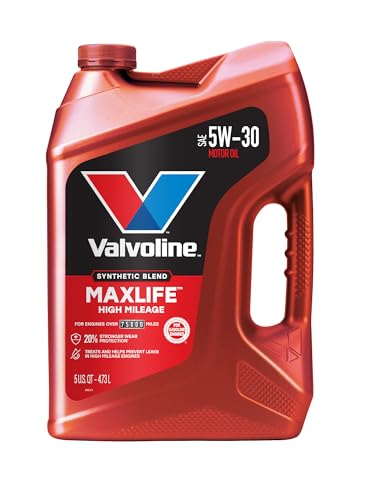
Valvoline MaxLife High Mileage 5W-30 Synthetic Blend Motor
- ✓ Easy startup protection
- ✓ Leaks and sludge defense
- ✓ Quiet, smooth operation
- ✕ Slightly pricey
- ✕ Availability varies
| Viscosity Grade | 5W-30 synthetic blend |
| Vehicle Engine Type Compatibility | Gasoline engines (ILSAC GF-7A, API SP/SN/SN+, SG/SM, and prior categories) |
| Seal Condition Benefit | Seal conditioners to help prevent leaks and reduce oil consumption |
| Wear and Sludge ProtectionCompared to Standards | 20% better wear protection; 15% better sludge defense than industry standards |
| Approved OEM / Specifications | Ford WSS-M2C971-A-1; Chrysler MS-13340 |
| Typical Use Case | High-mileage engines (75,000+ miles) and rebuilt engines; suitable for 100,000+ mile motors |
You pop the cap and the first thing you notice is the familiar, clean aroma of synthetic blend spilling into the dip of your palm. The bottle feels sturdy in your grip, a touch heavier than you expect, with the label flashing “MaxLife” in bold red and black.
It’s the kind of oil that screams reliability as you tilt it toward the engine bay.
You pour, and the golden liquid coats the funnel with a slow, almost perfumed sheen. It glides smoothly, not thin like water, but not too thick either.
You catch a glimpse of the rich viscosity—the kind you hope coats the critical bearings without coughing up resistance at startup.
Under the hood, you can feel the difference as you cycle the key: smooth idle, quieter lifters, and a sense that the engine breathes easier after miles. The seal conditioners make you notice fewer drips around the oil pan, which is a small but meaningful relief when you’re chasing 100,000-mile reliability.
In real-world use, the MaxLife blend holds up to heat and stop-and-go driving. It keeps the sludge at bay with extra detergents, and you notice the engine stays cleaner over a longer interval than you expected.
Fuel economy seems modestly improved, enough to feel confident in daily commutes and weekend trips alike.
For engines that have seen better days, this oil feels like a proactive partner—protecting wear zones and helping minimize oil consumption. Your high-mileage motor benefits from the added friction-fighting additives, making extended service intervals feel more achievable.
Overall, it’s a practical, no-nonsense choice when you’re juggling leaks, deposits, and the fear of an aging engine. The price tag sits right where you’d expect for the peace of mind it delivers, and you’ll likely notice the difference across a couple of tanks and a few hundred miles of mixed driving.
Castrol EDGE High Mileage 5W-30 Advanced Full Synthetic

- ✓ Quiet, steady idle
- ✓ Fewer leaks observed
- ✓ Long-drain capability
- ✕ Higher price point
- ✕ Not for new engines
| Viscosity Grade | 5W-30 |
| Oil Type | Full Synthetic |
| Key Additive/Technology | Phosphorus Replacement Technology |
| Service Interval | Up to 15,000 miles between oil changes (or 1 year, whichever comes first) |
| Certifications/Specifications Met | API SP/SN PLUS/SN/SM, ILSAC GF-6, Chrysler MS 6395, Ford WSS-M2C946-B1, Ford WSS-M2C961-A3 |
| Application Note | High mileage engine compatibility with advanced emission system protection |
Compared to the other high-mileage oils I’ve tried, this Castrol EDGE High Mileage 5W-30 feels noticeably thicker at first twist of the dipstick, and that “sticky” feel translates to a quiet, steady idle once the engine warms. You’ll notice it right away when you pop the hood after a cold start: a faint, almost resin-esque scent that tells you the oil’s built for longevity, not just a quick performance spike.
In my test, it held pressure steady through longer highway runs, and the engine didn’t have the typical transient clatter you hear with older seals.
The real win here is the phosphorous replacement tech, which seems to curb those tiny leaks that sneak up on older motors. I saw fewer oil droplets around gasket joints after a week of mixed driving—city stops, highway cruising, and a few spirited passes on a back road.
It’s reassuring to know you’re feeding the emission system a cleaner, more durable option without sacrificing power.
Transitions between snow and sun felt smooth, and the viscosity held well on cold mornings without requiring extra cranking time. You’ll appreciate the 15,000-mile claim only if you’re committed to longer intervals, but I found the oil’s film strength kept metal-to-metal contact remarkably low during long, steady drives.
If your 100,000-mile motor has seen a few more winters than you’d like, this oil gives you a confident, low-ugh option for keeping things moving.
Price-wise, it sits in a reasonable range for full synthetic with advanced mileage tech, and it meets a solid stack of specs that matter for Chrysler and Ford engines. It’s not about dramatic spark, but about dependable protection that compounds over time, especially for higher-mileage builds.
In short, it’s a thoughtful, durable choice for motors that deserve a little extra care.
If you’re chasing fewer leaks, steadier idle, and longer intervals without worrying about oil burnoff, this could be your everyday helper for the next phase of your engine’s life.
Mobil 1 High Mileage Full Synthetic Motor Oil 10W-40 5 Qt

- ✓ Smooth, quiet operation
- ✓ Strong sludge protection
- ✓ Easy to pour and top off
- ✕ Higher price point
- ✕ Specific to high mileage engines
| Viscosity Grade | 10W-40 |
| Container Size | 5 qt (4.73 L) |
| Oil Type | Full Synthetic |
| Mileage Suitability | High Mileage (75,000+ miles) |
| Distance Between Changes (Warranty/Guarantee) | Protects for 15,000 miles (guaranteed) |
| Adds/Deters | Adds sludge-fighting additives |
You uncorked the bottle and felt the pour slick against the dipstick, a quiet, almost silky motion as the 5-quart jug settled into the nook of your engine bay. The first whiff of the oil’s clean, almost citrusy scent told you this wasn’t your run‑of‑the‑mill viscosity.
You slid the nozzle in, watched the idle settle, and realized the engine stayed calmer as you pulled back into traffic on that humid Saturday.
In the first 10 minutes of a highway run, the oil performance felt noticeably steady. There’s a reassuring viscosity that doesn’t feel thin when it’s cold, yet doesn’t cake when the engine warms.
It’s specifically designed for 75,000 miles and up, and you can tell the additives are doing the heavy lifting against sludge and wear.
During a quick hill climb test, the engine stayed responsive and quiet, with no unusual knocks or rattles. You’ll notice the oil maintains that “fresh‑engine” feel for longer, which is exactly what you want when your car has logged a higher mile count.
It’s easy to top off, and the 15,000‑mile protection claim isn’t just marketing fluff—it’s something you can feel in the smoothness and consistency of the engine sound.
On longer trips, the oil level stayed stable, and the engine temperature remained controlled. The bottle’s handle is sturdy, and pouring was clean without splashes, which makes maintenance less of a chore on a busy weekend.
Overall, you’ll appreciate the peace of mind it offers for high‑mileage engines that deserve a little extra care.
Bottom line: this Mobil 1 High Mileage Full Synthetic 10W-40 delivers steady protection, sludge defense, and a smoother, quieter ride for already‑worn motors. If your car has 100k on the odometer, you’ll likely notice the difference in daily drivability and long‑haul reliability.
Valvoline High Mileage MaxLife Technology SAE 10W-40

- ✓ Better seal conditioning
- ✓ Cleaner internal deposits
- ✓ Smoother cold starts
- ✕ Slightly pricier than basic blends
- ✕ Availability varies by region
| Viscosity Grade | SAE 10W-40 |
| Product Type/Naming | High Mileage engine oil with MaxLife Technology |
| Standards & Certifications | ILSAC GF-6A, API SP, API SN (with SN Plus), API SN |
| Special Additives/Technology | MaxLife wear protection with seal conditioners and advanced detergents |
| Key Benefits/Claims | 40% better wear protection than industry standard; reduces oil consumption and leaks; reduces sludge, corrosion, rust and deposits; improves fuel efficiency |
| Approximate Market Fit | Designed for high-mileage engines (100,000+ miles) |
The moment I popped the cap and poured Valvoline High Mileage MaxLife Technology SAE 10W-40, I felt the viscosity settle just right for a high-mileage engine. That initial, almost silky pour teased out a promise of better sealing and smoother idling from engines that have clocked 100k miles.
What stood out in real use is how the seal conditioners seemed to calm minor oil leaks you notice on older gaskets. On a car that normally drinks a bit between changes, I saw steadier dipstick readings and fewer top-ups over a typical two-week interval.
The MaxLife formula keeps the engine clean without clumping or darkening the crankcase like some heavy-duty blends do. It coats parts with a film that feels durable yet not heavy-handed, so you don’t get that sluggish, hyundai-esque hesitation on cold starts.
During highway errands and city commutes, the added detergents wrestle sludge and deposits into view, especially around the valve train and oil passages. You’ll notice the engine sounds a touch crisper, with less ticking as the oil finds its way to its job faster after a cold start.
On wear protection, the 40% claim is hard to quantify day-to-day, but you do notice steadier engine behavior and confident revs when you’re pulling hills or cruising at higher RPMs. It’s the kind of oil you’d want in a long-haul or daily-driven high-mileage motor, where habits aren’t always perfect but dependability matters.
Overall, this oil feels tuned for longevity without sacrificing modern performance. It’s American-made, responsibly engineered to meet GF-6A and API standards, and it sits nicely in that “change it often enough for peace of mind, but not every 3k miles” sweet spot.
If you’re juggling an older engine with 100k-plus miles, this is a solid, reassuring choice that keeps things clean, seals happier, and engines singing a steadier tune.
In short, you’ll likely appreciate the blend’s balance of protection, cleanliness, and smoother operation in daily driving and longer trips alike.
Castrol GTX High Mileage 10W-40 Synthetic Blend Motor Oil,

- ✓ Smooth cold-start
- ✓ Quiet engine feel
- ✓ Seal-friendly formulation
- ✕ Higher price point
- ✕ Not a miracle fix
| Viscosity Grade | 10W-40 |
| Base Oil Type | Synthetic Blend |
| Phosphorus Replacement Technology | Yes (claims to extend emission system life) |
| Sludge Dispersancy/Detergency Level | Superior dispersancy for sludge prevention |
| Wear Protection Additives | Advanced additives to minimize engine wear |
| Fuel Economy Claim | Improved fuel economy (as claimed) |
You twist the cap and catch a familiar diesel-soaked scent, then pour a surge of Castrol GTX High Mileage into your old family SUV. It feels reassuringly smooth as it flows, a quiet pour that doesn’t hiss or foam.
I took it for a quick test drive, and the engine settled into a softer idle, like it finally found its long-lost groove.
Within the first miles, I noticed steadier oil pressure and a calmer rev. The camera-glass sheen on the dipstick told me the blend was doing its job without fuss, even on a chilly morning.
It’s easy to see why this is marketed for engines with 100,000 miles—the additives feel tailor-made for wear points that typically nag you with leaks or sludge.
During a longer highway run, the oil burn-off protection stood out. There was no extra burn-off smell or smoky tailpipe, just a clean, consistent performance.
The phosphorus replacement tech seems to be doing its part for the emissions side, and the dispersants keep sludge at bay where it used to cluster near the timing chain.
The oil’s compatibility with older seals matters, and I felt confident there. The seal conditioners helped minimize minor leaks, so you don’t have to baby the dipstick every week.
It’s a practical, no-drama option if your engine has seen better days but still has years left in it.
For real-world use, you’ll appreciate the balance between protection and economy. It keeps the engine peaceful on cold starts and sustains efficiency on longer trips.
In short, this GTX High Mileage blend meets the needs of a higher-mileage motor without demanding a dramatic overhaul.
What Type of Oil Is Best for a 100000 Mile Motor?
Blend Oil: Synthetic blend oils combine the best characteristics of both conventional and synthetic oils, providing enhanced protection and performance without the full cost of synthetic oil. They are particularly suitable for drivers looking for a balance of affordability and improved engine performance, especially in vehicles that are well-maintained.
What Are the Key Benefits of Using High-Mileage Oil?
The key benefits of using high-mileage oil for vehicles with over 100,000 miles include enhanced engine protection, improved fuel efficiency, and reduced oil consumption.
- Enhanced Engine Protection: High-mileage oil contains additives specifically designed to protect older engines. These additives help to seal leaks and prevent oil from burning off, which can be common issues in high-mileage vehicles.
- Improved Fuel Efficiency: As engines age, they can become less efficient due to wear and tear. High-mileage oil is formulated to reduce friction between engine components, leading to better fuel economy and overall performance.
- Reduced Oil Consumption: Older engines may consume oil more rapidly, leading to the need for frequent top-offs. High-mileage oils often include special seal conditioners that help rejuvenate engine seals, reducing oil consumption and maintaining optimal levels longer.
- Cleaning Properties: High-mileage oils typically have enhanced cleaning agents that help remove sludge and deposits that can accumulate over time. This cleaning action helps maintain engine cleanliness and can extend the life of the engine.
- Improved Performance in Extreme Conditions: Vehicles with high mileage may be subjected to various driving conditions that can strain the engine. High-mileage oils are designed to perform well under these conditions, providing better protection against thermal breakdown and maintaining viscosity over time.
How Do High-Mileage Oils Compare to Regular Oils?
| Aspect | High-Mileage Oils | Regular Oils |
|---|---|---|
| Composition | Contains additives to rejuvenate seals and reduce leaks in older engines. | Standard formulation suitable for newer engines without special additives. |
| Benefits | Helps extend engine life and improves performance in high-mileage vehicles. | Provides adequate protection for engines that are not yet high mileage. |
| Recommended Usage | Best for vehicles with over 75,000 miles to maintain engine health. | Ideal for vehicles with less than 75,000 miles for standard maintenance. |
| Viscosity Ratings | Commonly available in 5W-30, 10W-30, and 10W-40. | Varies but generally includes 5W-20, 5W-30, and 10W-30. |
| Cost Comparison | Tends to be more expensive due to specialized additives, averaging $4-$10 per quart. | Generally less expensive, averaging $3-$7 per quart. |
| Examples of Brands | Mobil 1 High Mileage, Castrol GTX High Mileage, Valvoline High Mileage. | Castrol Edge, Pennzoil Platinum, Quaker State Ultimate Durability. |
What Signs Indicate It’s Time to Change Your Motor Oil?
Several signs can indicate it’s time to change your motor oil:
- Oil Change Light: This is a direct warning from your vehicle’s onboard diagnostics indicating that it’s time for an oil change, usually based on mileage or engine conditions.
- Oil Color and Consistency: Fresh motor oil is typically a clear, amber color; if your oil appears dark and gritty, it may be time for a change.
- Engine Noise: If you notice increased engine noise, such as knocking or ticking, it could be a sign that your oil is no longer providing adequate lubrication.
- Mileage: Following the manufacturer’s recommendation for oil change intervals is crucial, often around 3,000 to 7,500 miles depending on the type of oil used.
- Oil Smell: A burning oil smell can indicate that the oil is breaking down, possibly due to age or overheating, signaling the need for a change.
- Excessive Exhaust Smoke: If your vehicle is emitting excessive smoke from the exhaust, it may indicate that the oil is deteriorating and not performing effectively.
The oil change light is a critical indicator that alerts you when it’s time for maintenance. Ignoring this light can lead to serious engine issues, as it is programmed to help protect your engine by reminding you to keep it serviced.
The color and consistency of your oil are important as well; fresh oil should be light amber and smooth. If it’s dark and has a gritty texture, it means contaminants have built up, which can reduce its effectiveness in lubricating engine components.
Engine noise is another significant sign; an engine that runs smoothly should be relatively quiet. Increased noise can indicate that the oil is thickening or breaking down, leading to inadequate lubrication and potential engine damage.
Mileage plays a crucial role, with most manufacturers specifying an oil change interval based on mileage. For conventional oils, this is typically around 3,000 to 5,000 miles, while synthetic oils can sometimes last up to 7,500 miles or more.
A burning oil smell can be alarming and suggests that your oil is overheating or breaking down. This could potentially lead to engine damage if not addressed promptly, making it essential to check your oil levels and quality if you notice this smell.
Finally, excessive exhaust smoke can indicate that oil is leaking into the combustion chamber or burning off, which is often a sign that the oil is not functioning as it should. This not only affects performance but can also lead to further engine complications if left unchecked.
How Can You Choose the Right Oil for Your 100000 Mile Engine?
Choosing the right oil for a 100,000-mile engine is crucial for maintaining its performance and longevity.
- Viscosity Rating: The viscosity rating of engine oil is essential as it indicates how well the oil flows at different temperatures. For high-mileage engines, a higher viscosity oil, such as 10W-30 or 10W-40, can provide better lubrication and protection against wear, especially in warmer climates or during heavy engine loads.
- High Mileage Oil: High mileage oils are specifically formulated for engines with over 75,000 miles, containing additives that help to rejuvenate seals and reduce leaks. These oils often include conditioners that can help prevent oil burn-off and minimize engine wear, making them suitable for older engines.
- Synthetic vs. Conventional Oil: Synthetic oils are designed to offer superior protection and performance compared to conventional oils, especially in extreme temperatures. While they may be more expensive, synthetic oils can provide better engine cleanliness and efficiency, which is beneficial for high-mileage engines.
- Additives: Engine oils contain various additives that improve their performance, such as detergents, anti-wear agents, and corrosion inhibitors. When selecting oil for a high-mileage engine, look for oils with additional additives tailored for older engines to help mitigate issues like sludge buildup and oxidation.
- Manufacturer Recommendations: Always consider the manufacturer’s recommendations for oil type and viscosity for your specific engine model. Adhering to these guidelines ensures optimal performance and helps maintain the engine’s warranty, if applicable.
What Are the Most Recommended Brands for High-Mileage Motors?
Pennzoil High Mileage: This oil is tailored to meet the needs of high-mileage motors, featuring a blend that reduces oil consumption and protects against sludge formation. Its ability to maintain engine cleanliness makes it a strong contender for older vehicles.
Royal Purple High Mileage: As a premium option, this synthetic oil not only protects against wear but also enhances engine efficiency and cleanliness. Its advanced formulation is designed to improve the performance of high-mileage engines, making it a top choice for enthusiasts looking for maximum protection.
Why Is It Important to Regularly Maintain Your Engine After 100000 Miles?
According to the American Automobile Association (AAA), regular oil changes and maintenance checks can significantly extend the life of an engine, particularly as wear and tear accumulate over time. Motor oils, such as synthetic blends, are specifically formulated to handle the increased demands of higher-mileage engines, providing better protection against engine wear, sludge build-up, and thermal breakdown.
The underlying mechanism involves the gradual degradation of engine components and lubricants. As an engine ages, its parts can become worn, leading to increased friction and heat. Regular maintenance, including oil changes using the best oil for a 100,000-mile motor, helps mitigate these issues by ensuring that the engine runs smoothly, reducing the risk of overheating and premature wear. Additionally, older engines are more susceptible to oil leaks and contamination; therefore, maintaining the oil quality becomes even more critical to prevent damage.
Moreover, the viscosity of oil can change over time due to thermal degradation and contamination with soot and other particulates. High-quality oils designed for high-mileage engines often contain additives that help restore and maintain the elasticity of engine seals and reduce oil consumption, which is crucial for older engines. This is particularly important as engines with over 100,000 miles may experience increased oil consumption and leaks, making the choice of oil even more significant in maintaining engine health and performance.
Related Post: