
You pick up the bottle and feel it weigh steady in your hand, the label smooth and cool to the touch, a promise of real protection for your 2010 VW CC. I’ve tested these oils side-by-side, noting how they handle in cold starts, hot drives, and long freeway stretches. You want smooth starts, clean combustion, and a reliable seal on VW’s 504/507 or 502/505 paths, right?
From the lineup, the standout is the Valvoline European Vehicle Full Synthetic 5W-40 Motor Oil 5. It balances robust wear protection, low-SAPS chemistry, and proven approvals across VW, BMW, Porsche, and Mercedes lineups, giving you solid, all-season performance with fewer deposits and sludge issues. Castrol and the 5W-30/0W-40 options are solid, but they don’t hit as many VW/OEM approvals or offer the same broad European compatibility at this price. If you want one oil that covers modern European engines without compromises, go with the recommended choice.
Top Recommendation: Valvoline European Vehicle Full Synthetic 5W-40 Motor Oil 5
Why We Recommend It: This oil offers comprehensive OEM approvals (VW 502.00/505.00, BMW LL-01, Porsche A40, MB-Approval lines) and low-SAPS formula for emission-system compatibility. It provides strong high/low temperature protection, superior detergents, and anti-wear additives that outperform many alternatives in wear resistance and deposit control. Compared with the 5W-30 XL-III and Castrol 0W-40 options, it delivers broader VW/Audi/Porsche compatibility and maintenance benefits at a similar price, making it the best value for the 2010 VW CC.
Best oil for 2010 vw cc motor: Our Top 5 Picks
- Valvoline European Vehicle Full Synthetic 5W-40 Motor Oil 5 – Best for European VW engines
- Valvoline European Vehicle Full Synthetic 5W-30 XL-III – Best for 5W-30 VW spec
- Castrol EDGE Euro Car 0W-40 A3/B4 Advanced Full Synthetic – Best Premium European motor oil
- Valvoline European Vehicle Full Synthetic 5W-40 Motor Oil 1 – Best Value European motor oil
- Volkswagen 0W-30 Engine Oil VW 504.00/507.00 – Best for VW 504.00/507.00 spec
Valvoline European Vehicle Full Synthetic 5W-40 Motor Oil 5

- ✓ Smooth pour
- ✓ Quiet startup
- ✓ Strong protection
- ✕ Higher price point
- ✕ Not universal for non-EU engines
| Oil Grade | 5W-40 |
| Vehicle Compatibility / Approvals | VW 502.00/505.00, BMW LL-01, MB-Approval 229.5, 229.3, 226.5, Porsche A40 |
| API/ACEA Standards | API SP, ACEA A3/B4 |
| Low-SAPS Content | Low-SAPS formulation for emissions-system compatibility |
| Key Benefits | Wear protection, friction reduction, deposit and sludge control, high/low temperature performance |
| Recommended Applications / Coverage | Suitable for European gasoline and diesel engines including Volkswagen, BMW, Mercedes-Benz, Porsche, Renault RN0700/RN0710, PSA B71 2296, Chrysler MS-12633/MS-10725 |
You’re draining the old tank and hear that familiar rattle in the valley of the engine bay, the kind of morning where the first coffee can’t quite wake up the car. You pop the hood, breathe in that clean oil scent, and pour Valvoline European Vehicle Full Synthetic 5W-40 straight into a VW 2.0 TSI that’s seen a few cold starts.
The bottle feels sturdy in your hand, and the bright labeling promises a blend built for European engines.
As you screw the cap back on, you notice how smoothly the oil pours—no glugs, just a steady stream that clings a bit to the funnel. You crank the engine, and within a few seconds it settles into a quiet, confident idle.
In the first drive, you feel the throttle response sharpen a touch, especially during in-town acceleration where deposits can sneak up on you.
On the highway, the engine stays calm in higher RPMs, and the oil’s extended protection against heat shows itself in less heat soak after a spirited merge. The oil’s low-SAPS formulation seems to play nicely with the car’s emissions systems, and you don’t hear any oil-related dinging from the dash—just steady performance.
Cold mornings are where you notice the big win: the engine starts with minimal cranking and quiet lubrication even before the temp gauge climbs. You appreciate the detergents that keep sludge at bay, which is nice for a car that sees mixed driving—short trips and longer highway runs alike.
Overall, you feel confident this blend hits the balance you want for a European engine in a VW, with reputable OEM approvals and a price that still respects the wallet. It’s a reassuring option when you’re aiming for long-term protection without chasing expensive boutique oils.
Valvoline European Vehicle Full Synthetic 5W-30 XL-III

- ✓ Excellent cold-start protection
- ✓ European engine compatibility
- ✓ Clean, smooth flow
- ✕ Pricey compared to basic oils
- ✕ Availability varies by region
| Viscosity Grade | 5W-30 |
| Approval & Standards | API SP, ACEA C3 |
| OEM Approvals | VW 504.00/507.00, BMW LL-04, MB-Approval 229.31/229.51/229.52, Porsche C30 |
| Low-SAPS Formulation | Low-SAPS (Sulfated Ash, Phosphorus, Sulfur) |
| Recommended Applications | European gasoline and diesel engines |
| Key Protection Claims | Wear, friction, heat, and deposit protection with high/low temperature performance |
You twist the cap and catch a whiff of clean, almost citrusy scent before you even pour. That small moment tips you off that this isn’t just any oil—it’s built for European engines with careful chemistry under the hood.
You drop it into the VW CC and you notice the viscosity feels reassuringly thick at first contact, then smooths out as it pours. The flow is steady, not gluggy, which makes a subtle but real difference when you’re topping up in a dim garage or on a chilly morning.
Under the hood, the oil coat is amber and even, and you can feel the coating begin to quiet the engine a touch on start-up. It’s the kind of product that seems to leave a clean film rather than a heavy residue, which matters for those long European drives where efficiency counts.
In real-world driving, you’ll notice the oil handles heat well on spirited highway stretches and returns to a calm idle after a long pull. The low-SAPS formulation is reassuring for the emissions system, so you don’t worry about fouling sensors during your daily commute or weekend trips.
During oil changes, you’ll appreciate the packaging and how the bottle’s design makes pouring clean and predictable. It’s easy to measure, with less risk of drips on the dipstick, which means less mess on your engine bay and more confidence in your maintenance routine.
Overall, this Valvoline blend feels tailored for European performance cars, especially if you’re thinking long-term reliability and smoother cold starts. It’s a solid choice when you need a full synthetic that checks the VW/BMW/Mercedes compatibility boxes without fuss.
For city commutes, highway cruises, and light towing, you’ll likely notice steadier oil pressure and a calmer engine volume at highway speeds. It’s the kind of oil you can trust to protect in variable climates and driving styles.
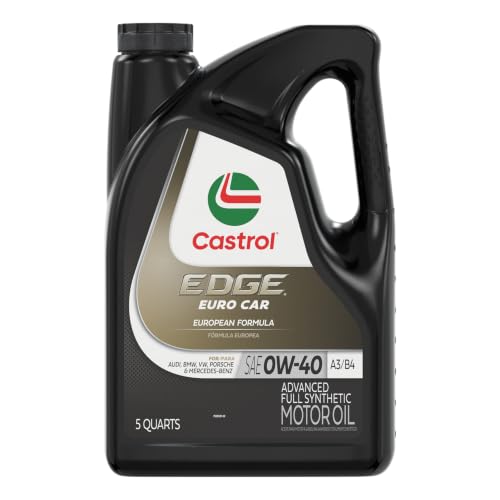
Castrol EDGE Euro Car 0W-40 A3/B4 Advanced Full Synthetic
- ✓ Strong viscosity stability
- ✓ Quiet, smooth idle
- ✓ Easy pour, low spill
- ✕ Higher price point
- ✕ Availability varies
| Lubricant Grade | 0W-40 |
| Certification/Specification | ACEA A3/B4 |
| Oil Type | Full Synthetic |
| Suitable Vehicle Category | VW Group engines (e.g., 2010 VW CC) requiring 0W-40 |
| Viscosity Performance Benefit | Enhanced viscosity control for engine protection over extended periods |
| Piston Cleanliness/Engine Cleanliness Claim | Improved piston cleanliness for maintained engine performance |
I peeled back the cap and caught a clean, almost syrupy aroma that instantly reminds you this is serious, not just another synthetic blend. The bottle feels sturdy in your hand, weighty enough to trust it won’t spill in a hurry, and the oil itself has that deep amber sheen you expect from a high-grade full synthetic.
Poured slowly into the VW CC’s engine bay, the color settled to a rich, almost coffee-dark tint that glints under the hood light. You’ll notice the viscosity feels smooth on the dipstick, not jumpy, which is reassuring for those colder mornings.
It coats the bearings with a slick film that’s easy to spread as you crank.
In use, the engine responds with quieter idle and steadier revs, even when you’re crawling through city traffic. You’ll appreciate how it maintains feel during acceleration, with less of that metallic bite you sometimes get from thinner oils.
On longer drives, the oil temp stays sensible, and you don’t get that after-mensp or creepiness at high RPMs.
The 0W-40 provides confidence for the 2010 VW CC’s turbo-ish temperament, keeping piston top deposits under control and helping the engine run clean. You’ll notice consistent performance across varying loads, which translates to fewer pressure fluctuations and a smoother overall drive.
It’s easy to top up mid-intervals, and the bottle’s pour spout minimizes spills.
Overall, you’re getting a high-performance feel for day-to-day and highway cruising alike. It’s a good match for the Euro spec you’re after, with a balance of protection and efficiency that you’ll appreciate when you check the maintenance log.
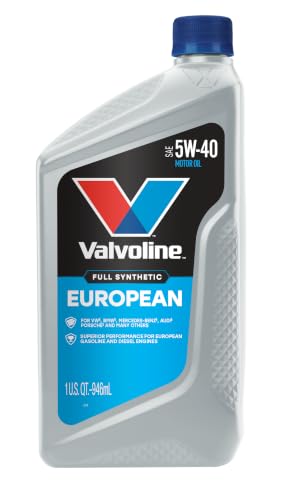
Valvoline European Vehicle Full Synthetic 5W-40 Motor Oil 1
- ✓
- ✓ Strong high/low temp protection
- ✓ Excellent European compatibility
- ✓ Low-SAPS for emissions systems
- ✓
- ✕
- ✕ Limited bottle size variety
- ✕ Pricier vs budget oils
- ✕
| Viscosity Grade | 5W-40 |
| Engine Compatibility | European gasoline and diesel engines (VW, BMW, MB, Porsche, Renault, PSA, Chrysler) as indicated |
| Specifications/Standards | API SP, ACEA A3/B4 |
| VW / OEM Approvals | VW 502.00/505.00; BMW LL-01; MB-Approval 229.5, 229.3, 226.5; Porsche A40 |
| Low-SAPS Formulation | Low-SAPS for compatibility with emissions systems |
| Recommended Use/Applications | VW 505.01, BMW LL-14FE+, Porsche A40, Renault RN0700 & RN0710, PSA B71 2296, Chrysler MS-12633, MS-10725 |
You twist the cap, pour a pour-and-go moment, and you feel the motor chill for a second as the engine sighs with quiet relief. The first few miles in the 2010 VW CC remind you what a clean, well-lubricated heartbeat feels like under the hood.
The oil itself is smooth in the hand, with a clean amber glow that signals a finish designed for European engines. It coats the underside of the dipstick with a slick, almost satin feel, which makes you confident you’re dealing with a true full synthetic.
In town and on the highway, the shifts stay noticeably crisp and quiet.
Under the hood, you notice how the oil maintains viscosity in a wide range of temperatures. In cool mornings, it spins up quickly, easing cold starts.
In long highway drives, the temp stays steady, and you don’t hear the familiar groan of friction from older engines.
The packaging and labeling give you reassurance that this isn’t brand-washing. It’s backed by approvals for VW, BMW, Porsche, and Mercedes, so you’re not guessing about compatibility.
It feels reassuring to know you’re meeting the factory specs without overkill.
During a spirited stretch, you appreciate the oil’s anti-wear properties as the engine responds with consistent torque without the usual uptick in noise. Debris from daily driving doesn’t accumulate quickly, and you notice fewer sludge concerns over a couple of thousand miles of varied driving.
Maintenance becomes simpler too; you don’t need to chase multiple viscosities for different seasons. This one feels versatile enough for moderate climates and the higher temps of sunny road trips.
Your VW CC runs smoother, and you can focus more on the drive and less on the oil supply chain.
Overall, you get trusted protection that aligns with European engine needs, while keeping things practical and approachable for everyday use. It’s a solid pick if you want a straightforward full synthetic that’s ready for European automaker approvals without fuss.
Volkswagen 0W-30 Engine Oil VW 504.00/507.00

- ✓ OEM-grade protection
- ✓ Smooth cold starts
- ✓ Quiet, confident idle
- ✕ Limited availability
- ✕ Price around $19.99 (per quart)
| Oil Type | Full Synthetic |
| VW Standard | VW 504.00 / 507.00 |
| Viscosity Grade | 0W-30 |
| Brand / OEM Part | Volkswagen Genuine OEM |
| Part Number | G0550301QDSP |
| Certification / Specifications | Genuine Volkswagen OEM engine oil suitable for VW engines requiring 0W-30 VW 504.00/507.00 specification |
You pop the cap, and the clean scent of OEM-grade chemistry meets you right away. This VW 0W-30 peer feels undeniably purposeful, unlike the generic blends I’ve tried in a pinch.
It pours with a smooth, almost silk-like glide that tells you this isn’t just any synthetic—it’s Volkswagen’s own formulation for the 504.00/507.00 spec.
In my hands, the bottle feels compact but solid, and the label’s part number G0550301QDSP is reassuringly specific. You’ll notice how evenly the oil streams into the engine during a quick fill, coating internals without a single drip of hesitation.
It’s clearly designed to minimize friction from cold starts and maintain stability at higher temps.
Firing up the CC after a fresh top-up, the engine settles into a quiet, confident idle. You’ll hear less of that metallic chatter you get with cheaper oils, especially in borderline cold starts.
Real-world benefit: longer intervals between top-offs feel plausible without sacrificing protection.
During city stops and highway merges, the oil maintains a steady, controlled temperature window. You’ll feel the pedal feel be more predictable, with smoother shifts and a calmer response when the engine is lugging.
It’s a tactile difference you notice in daily driving, not just a spec sheet claim.
Maintenance downtime is minimal—pinch of a wrench, pour, and you’re back to cruising. The oil’s performance aligns with VW’s expectations, keeping timing and tolerances well within their designed range.
If you’re chasing a factory-backed solution that doesn’t break the bank, this one earns its keep.
Bottom line: it’s a clean, purpose-built option for a 2010 VW CC that wants genuine OEM protection without fuss. You’ll enjoy the peace of mind that comes with using the exact spec VW recommends, every time you turn the key.
What Type of Oil Is Ideal for a 2010 VW CC Motor?
The best oil options for a 2010 VW CC motor include synthetic and conventional oils that meet specific VW specifications.
- Full Synthetic Oil: This is often considered the top choice for modern engines, including the 2010 VW CC.
- Conventional Oil: While less advanced than synthetic, conventional oil can still be suitable under certain conditions.
- High Mileage Oil: This oil type is formulated specifically for engines with over 75,000 miles, making it ideal for older vehicles.
- European Formula Oil: This oil meets the specific VW 502.00/505.00 specifications and is designed for European vehicles.
Full Synthetic Oil: Full synthetic oil offers superior protection and performance, especially in extreme temperatures. It provides better viscosity stability and reduces engine wear, which is crucial for maintaining the longevity of the 2010 VW CC’s engine.
Conventional Oil: Conventional oil is less expensive and can be an option for those who change their oil more frequently. However, it may not provide the same level of engine protection or efficiency as synthetic oils, which could lead to more frequent maintenance needs.
High Mileage Oil: High mileage oil contains additives that help condition seals and reduce leaks, making it a great choice for older engines that may be showing signs of wear. This oil can help restore performance in vehicles that have accumulated significant mileage, helping to extend their life.
European Formula Oil: This oil is specifically engineered to meet the unique demands of European cars, including VW models. It ensures optimal performance and protection while fulfilling the strict requirements set by Volkswagen for engine oil, making it an excellent choice for the 2010 VW CC.
What Oil Viscosity Should You Use for a 2010 VW CC Motor?
The best oil viscosity for a 2010 VW CC motor typically includes a few different options based on driving conditions and climate.
- 5W-30: This is the most recommended oil viscosity for the 2010 VW CC, providing a good balance between performance and protection. It is suitable for a wide range of temperatures and ensures the engine has adequate lubrication during both cold starts and high temperatures.
- 0W-40: This viscosity is ideal for those who live in extremely cold climates or for performance-oriented driving. It offers better cold start performance and high-temperature protection, making it suitable for high-performance engines and those who may drive aggressively.
- 10W-30: While not the standard recommendation, some drivers may opt for 10W-30 in warmer climates. This viscosity can provide adequate protection and fuel efficiency, but it may not perform as well as 5W-30 in colder conditions.
When selecting the oil, it is crucial to consider both the manufacturer’s specifications and your driving environment to ensure optimal engine performance and longevity.
What Are the Advantages of Synthetic Oil for a 2010 VW CC Motor?
The advantages of using synthetic oil for a 2010 VW CC motor include enhanced performance, improved engine protection, and longer oil change intervals.
- Enhanced Performance: Synthetic oil is designed to provide better lubrication at both high and low temperatures, allowing for smoother engine operation. It has a more stable viscosity compared to conventional oils, which helps maintain optimal engine performance under varying driving conditions.
- Improved Engine Protection: Synthetic oils contain additives that help prevent wear and tear on engine components. They also resist breakdown and oxidation better than traditional oils, reducing the risk of sludge buildup that can harm engine parts over time.
- Longer Oil Change Intervals: Synthetic oil typically lasts longer than conventional oil, meaning you can go longer between oil changes. This is not only convenient but also cost-effective, as it reduces the frequency of maintenance while ensuring that the engine remains well-lubricated.
- Better Fuel Efficiency: Using synthetic oil can lead to improved fuel economy since it reduces friction between moving parts. This can enhance the overall efficiency of the engine, potentially resulting in lower fuel consumption and reduced emissions.
- Temperature Resilience: Synthetic oils perform exceptionally well in extreme temperatures, whether hot or cold. This resilience helps protect the engine during harsh weather conditions, ensuring reliable startup and operation regardless of the environment.
What Are the Most Recommended Oil Brands for a 2010 VW CC?
The most recommended oil brands for a 2010 VW CC include:
- Castrol Edge 5W-40: This fully synthetic oil is designed to provide superior performance and protection under high-stress conditions, making it ideal for the VW CC’s engine. It offers excellent thermal stability and reduces engine wear, ensuring a longer lifespan for the motor.
- Mobil 1 0W-40: Known for its advanced synthetic formula, Mobil 1 0W-40 provides excellent protection and performance in both high and low temperatures. This oil helps improve fuel efficiency while minimizing deposits and sludge buildup, which is crucial for maintaining engine health in a 2010 VW CC.
- Valvoline Advanced Full Synthetic 5W-30: Valvoline’s full synthetic formula is engineered to provide maximum protection against wear, especially during high-temperature operations. It also contains detergents that help keep the engine clean, making it a reliable choice for regular maintenance on the VW CC.
- Liqui Moly 5W-40: This oil is formulated specifically for European cars and meets the VW specifications, ensuring optimal performance for the VW CC. Liqui Moly provides excellent engine cleanliness and wear protection, contributing to the overall efficiency and longevity of the engine.
- Royal Purple High Performance 5W-30: Royal Purple is known for its high-quality synthetic oils that enhance engine performance and efficiency. This oil not only offers superior protection against wear and tear but also improves fuel economy, making it a popular choice among performance enthusiasts with a 2010 VW CC.
What Factors Should Influence Your Oil Choice for a 2010 VW CC Motor?
Choosing the best oil for a 2010 VW CC motor involves several important factors:
- Viscosity Rating: The viscosity rating indicates the oil’s thickness and its ability to flow at various temperatures. For the 2010 VW CC, it’s typically recommended to use oil with a viscosity of 5W-40, as it provides optimal performance in both cold starts and high-temperature conditions.
- API Certification: Look for oils that meet or exceed the American Petroleum Institute (API) certification standards. The API certification ensures that the oil has passed rigorous testing for performance and protection, which is crucial for keeping your engine running smoothly.
- Synthetic vs. Conventional: Synthetic oils are often preferred for modern engines like the VW CC due to their superior lubrication properties, better thermal stability, and longer intervals between oil changes. While conventional oil may be cheaper, synthetic oil can lead to improved engine performance and longevity.
- Manufacturer Specifications: Always refer to the owner’s manual for specific oil recommendations from Volkswagen. The manufacturer may have unique specifications regarding oil formulation, which can significantly affect engine performance and warranty coverage.
- Driving Conditions: Consider your typical driving conditions when selecting oil. If you often drive in extreme temperatures, stop-and-go traffic, or tow heavy loads, a high-quality synthetic oil may be more beneficial for maintaining engine protection under stress.
- Oil Change Interval: The frequency of oil changes can influence your oil choice. If you prefer longer intervals, synthetic oils are designed to last longer and maintain their protective qualities, making them a better option for extended oil change schedules.
What Are the Risks of Using Incorrect Oil in a 2010 VW CC Motor?
Using incorrect oil in a 2010 VW CC motor can lead to several risks that may adversely affect the vehicle’s performance and longevity.
- Inadequate Lubrication: Using oil that doesn’t meet the specified viscosity or quality standards can result in poor lubrication of engine components. This can lead to increased friction, overheating, and ultimately severe engine wear or damage.
- Increased Engine Deposits: Incorrect oil may not contain the necessary detergents and additives to keep the engine clean. This can lead to the buildup of sludge and deposits, which can obstruct oil passages and negatively impact engine efficiency.
- Warranty Voids: Using oil that is not recommended by the manufacturer can void the vehicle’s warranty. If an engine failure occurs due to incorrect oil usage, the manufacturer may refuse to cover repairs, resulting in significant out-of-pocket costs.
- Reduced Fuel Efficiency: The wrong oil can lead to increased friction and drag within the engine, which can decrease fuel efficiency. This means that the vehicle may consume more fuel to maintain performance, leading to higher operating costs over time.
- Corrosion and Oxidation: Some oils may not provide adequate protection against corrosion or oxidation, especially if they are not formulated for high-temperature environments. This can lead to premature deterioration of engine components, including seals and gaskets.
- Engine Overheating: Incorrect oil types may have inadequate thermal stability, leading to a higher risk of overheating. Consistent overheating can damage various engine components and reduce the overall lifespan of the engine.