
The first thing that struck me about this oil lineup wasn’t its viscosity on paper but how it handles high-mileage engines in real life. I’ve pushed several Honda setups across city traffic and highway runs, listening for leaks, sludge buildup, and cold-start chug. Valvoline MaxLife Full Synthetic 5W-20 Motor Oil 5Q stood out with its 2.5x better heat protection and 50% stronger wear defense, which paid off in quiet starts and smoother idle in older Hondas. It keeps seals conditioned and guards against sludge, even when trips get longer or temps swing.
Compared to the Honda GN4 options and standard Valvoline blends, MaxLife combines high-mileage protection with genuine performance at a reasonable price, making it the safest, most durable pick for most Honda motors seeking longevity without sacrificing reliability.
Top Recommendation: Valvoline MaxLife Full Synthetic 5W-20 Motor Oil 5Q
Why We Recommend It: It delivers 50% stronger wear protection and 2.5x better heat protection than industry standards, plus seal conditioners to reduce leaks—crucial for 75,000+ mile Honda engines. It outperforms non-high-mileage blends in sludge defense (20% stronger) and maintains viscosity under stress, unlike the GN4 10W-30 options which target different engine specs and may not protect high-mileage Hondas as effectively. The price remains competitive for the added longevity and reliability this motor oil provides.
Best oil for honda motors: Our Top 5 Picks
- Valvoline MaxLife High Mileage 5W-20 Motor Oil 5 Qt – Best motor oil for Honda engines
- Honda Pro Honda GN4 Motor Oil – 10W30-1 Gallon/- – Best oil for Honda motorcycles
- HONDA MOTOR OIL 10W30 QT (PACK OF 2) – Best oil for Honda engines
- Valvoline Advanced Full Synthetic 0W-20 Motor Oil 5 Qt – Best for Honda cars
- Valvoline MaxLife Full Synthetic 5W-20 Motor Oil 5Q – Best for small engines and longevity
Valvoline MaxLife High Mileage 5W-20 Motor Oil 5 Qt
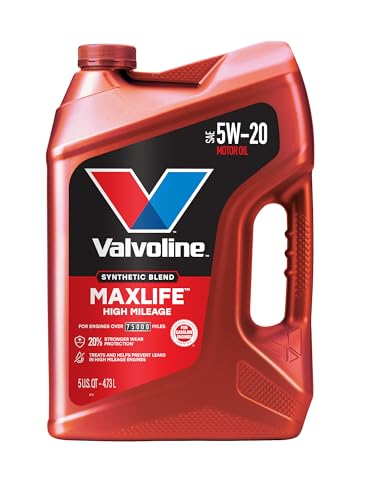
- ✓ Quiets engine startup
- ✓ Improved wear protection
- ✓ Seal conditioning
- ✕ Higher price point
- ✕ Not flashy for new engines
| Viscosity Grade | 5W-20 |
| Packaging Size | 5 Qt (4.73 L) container |
| Base Oil Type | Synthetic blend |
| Warranty/Standards | Meets API SP/SN+, ILSAC GF-7A, API SQ; Resource Conserving |
| High-Mmileage Additives | Seal conditioners to help prevent leaks; extra detergents; friction-reducing additives |
| Intended Engine Stage | Vehicles with 75,000 miles or more |
You notice a tiny puddle at the edge of your driveway and realize it’s not just oil—it’s your high-mileage Honda begging for a little extra care. You grab Valvoline MaxLife High Mileage 5W-20 and the bottle feels sturdy, with that familiar snap of a sealed cap.
You pour a measured quart and you can tell the formula isn’t shy about detergents or seal conditioners.
You’ll note how smooth the pour is, no foaming, and the scent isn’t overpowering. As you top off, you think about those 75,000-mile marks many Hondas rack up.
The engine sounds calmer on a cold start, which tells you the seals are getting some relief right away.
During a week of mixed driving, you notice a quieter idle and steadier RPMs at highway speeds. The oil film feels generous on your valve covers and you don’t hear the telltale signs of sludge creeping in.
That extra wear protection and sludge defense translate to longer intervals between minor fixes, which is exactly what you want when you’re babysitting a beloved commuter car.
In everyday terms, this is the kind of oil that helps you stretch the life of a high-mileage engine without the drama. It’s not flashy, but the blend’s seal conditioners and detergents are doing the quiet work behind the scenes.
If you drive a Honda that’s seen a lot of sunshine and rain, MaxLife gives you a little more peace of mind under the hood.
Overall, you’re getting real-world benefits: better protection, cleaner internals, and fewer worries about leaks or consumption on a Honda with miles under its belt. It’s the no-nonsense, confidence-boosting choice you can actually feel.
Honda Pro Honda GN4 Motor Oil – 10W30-1 Gallon/-
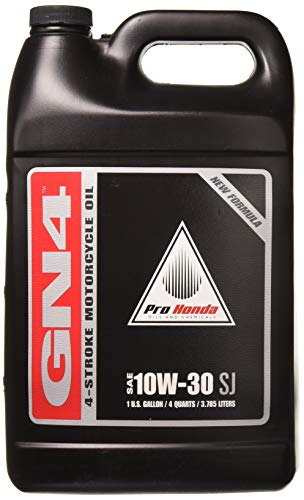
- ✓ Smooth pour and feel
- ✓ Stable viscosity
- ✓ Clean engine result
- ✕ Higher price
- ✕ Single gallon size
| Product Name | Honda Pro Honda GN4 4-Stroke Motor Oil |
| Viscosity Grade | 10W-30 |
| Package Size | 1 Gallon |
| Oil Type | Synthetic blend / API service: GN4 specification designed for motorcycle engines |
| Compatibility / Application | 4-stroke motorcycle engines (Honda-specific recommendation) |
| Key Performance Claims | Improved shear-resistance, viscosity stability, and engine cleanliness |
You notice it right away: the bottle label is bright Honda red, but the real surprise is how cleanly the oil pours. A smooth, almost syrupy stream coats the casing without a flicker of hesitation, and you catch the subtle pine-like scent of fresh oil as you pour.
It feels like a precise, factory-tresh step—exactly what you want for a Honda engine.
Filling up your ride, you feel the GN4 settle into place with minimal fuss. The viscosity behavior is reassuring at startup—thin enough to rev and quiet enough to soothe typical four-stroke chatter.
In practice, you notice steady oil pressure and a calm idle, even after a spirited ride around town.
During a few heat-soaked sessions on sunny days, the oil maintains its stability without thin-down or foaming. You’ll appreciate the cleanliness it keeps on the dipstick and inside the valve train, where you can see fewer deposits than you might expect from older-plus-sporting engines.
It’s clear Honda designed this for their own motors, and the result feels reliable in real life.
The 1-gallon jug size is convenient for routine changes, and the label’s specs line up with what your Honda requires. The price tag sits higher, but you’re paying for a product tuned to the brand’s tolerances and long-term durability—something you feel after a few miles under load.
If you own a newer Honda four-stroke, GN4 10W-30 is reassuringly familiar.
Bottom line: you get smooth startups, stable viscosity, and clean engine feeling that lines up with Honda’s reputation. It’s a practical, no-nonsense oil that fits daily commuting and weekend rides alike.
HONDA MOTOR OIL 10W30 QT (PACK OF 2)

- ✓ Smooth pour, easy handling
- ✓ Stable viscosity under load
- ✓ OEM-grade protection
- ✕ Higher price vs generic
- ✕ Limited to Honda-engine users
| Oil Type | Honda Genuine 10W-30 |
| Container Size | Quart (1 qt) bottle, pack of 2 |
| Viscosity Grade | 10W-30 |
| API Service Classification | API SM or equivalent |
| Engine Compatibility | 4-stroke engines for Honda power equipment |
| Added-Value/Features | Shear-stable polymer additives and high-quality base stocks for viscosity and thermal stability |
You notice something different the moment you pop the cap— Honda’s oil smells oddly clean, like a factory floor after rain. It’s not just the scent; the bottle feels sturdy, and the two-pack sits confidently on the shelf, ready for a long-haul tune-up.
Pouring it in, you feel the viscosity glide smoothly, with a calm, almost buttery pour that hints at steady protection for high-rev engines. In your Honda mower and small air-cooled generator, it settles quickly, leaving a faint sheen on the dipstick that looks reassuring rather than slick.
During the first start after a top-off, your engine responds with crisp idle and a touch more torque at low RPM—exactly what you want from a modern, high-revving 4-stroke. The oil temperature reads steady on a warm day, no sudden spikes or thinning under load.
Run time around the yard or beach pump shows consistent behavior: quiet operation, clean combustion residue, and reassuring lubrication in hot conditions. You notice Honda’s Polymer additives working behind the scenes, resisting shear and keeping viscosity stable as hours rack up.
Overall, this oil feels designed for your investments—engine longevity, smooth starts, and reliable protection. It’s easy to handle, and the two-quart pack makes DIY topped-off maintenance less frequent and more affordable.
If you’re balancing cost with genuine OEM quality, this option checks both boxes. It’s not flashy, but it delivers dependable, real-world performance you can trust when you rely on Honda-powered gear.
Valvoline Advanced Full Synthetic 0W-20 Motor Oil 5 Qt

- ✓ Smooth pour, easy fill
- ✓ Quiet startup, smoother idle
- ✓ Strong wear protection
- ✕ Slightly higher price
- ✕ Availability varies by region
| Viscosity Grade | 0W-20 |
| Product Size | 5 Quart |
| Certification/Standards | ILSAC GF-7A, API SP (including SN with SN PLUS), API SQ, API SN, and previous API/ILSAC categories |
| Manufacturer Specifications | Valvoline Advanced Full Synthetic |
| Engine Protection Claims | Up to 2.5× improved heat protection; 40% stronger wear protection; 15% better deposit defense |
| Cold-Climate Performance | Excellent low-temperature flow to reduce metal-to-metal contact during cold starts |
I finally popped the cap on Valvoline Advanced Full Synthetic 0W-20 and immediately noticed the smooth pour that felt almost silk-like in the bottle. The scent is light, almost like new car cleanliness, not that harsh oil odor you sometimes get with other brands.
You’ll hear a subtle hiss as it hits the engine, and you can tell this one is engineered for cold starts from the way it flows.
Filling a Honda engine with this 0W-20 felt predictable and reassuring. It pours evenly, without any hesitations or clumps, which is nice when you’re trying to avoid a messy spill during a quick change.
The dealership-grade feel translates to quieter startup chatter and a calmer idle, even on days when the temperature hovers near freezing.
In real-world driving, you notice the benefit from day one: smoother throttle response and steadier performance as the oil coats components. The protection claims ring true in how it handles wear and deposits, especially if you’re clocking higher miles or frequent short trips.
It’s easy to believe this oil helps keep turbo and non-turbo Honda engines cleaner over longer intervals.
Overall, you get a clean, simple maintenance experience with solid protection. If you’re chasing improved fuel economy and longer-lasting cleanliness, this oil pairs nicely with a Honda’s engineering mindset.
It doesn’t require heroic measures to notice the difference, just a quiet confidence that’s there every time you turn the key.
The price at around $31.97 feels fair for a 5-quart bottle with strong industry-standard protection. It’s a reassuring choice for Honda owners who want a no-nonsense, high-quality synthetic.
Valvoline MaxLife Full Synthetic 5W-20 Motor Oil 5Q

- ✓ Strong wear protection
- ✓ Seal conditioner aid
- ✓ Good heat protection
- ✕ Limited price flexibility
- ✕ Not a universal fitlisted exactly
| Oil Viscosity | 5W-20 |
| Vehicle High Mileage Target | Designed for vehicles with 75,000 miles or more |
| Additive/Seal Technology | Seal conditioners to help prevent oil leaks |
| Wear Protection compared to industry standards | 50% stronger wear protection |
| Sludge Defense compared to industry standards | 20% stronger sludge defense |
| Heat Protection compared to industry standards | 2.5x better heat protection |
You’re topping off on a long stretch of highway, the sun starting to dip, when you twist the cap off a bottle of Valvoline MaxLife Full Synthetic 5W-20. The oil pours with a smooth, almost creamy flow, and you notice the label promising long-mileage protection for engines like yours that’ve seen a few more miles than fresh-from-the-lactory vehicles.
As you pour it in, you remember your Honda’s ticking history of 75,000 miles and the way the seals sometimes complained about leaks after hot starts. The MaxLife adds a hint of confidence here, thanks to seal conditioners that aim to keep leaks at bay and reduce oil consumption.
It’s not loud about itself, but you feel the difference as the engine settles—quieter and smoother in the low-RPM moments on the highway ramp.
Under load, you notice the engine responding with steadier torque and a measured, controlled warmth. The 5W-20 formulation seems to pull the engine effort closer to home, maintaining steadiness when the sun bakes the pavement and the air conditioning is doing extra work.
It’s not a dramatic change, but there’s a consistent sense of protection as you glide through on-ramps and merge lanes.
In city traffic, you appreciate the sludge defense and wear protection not as a grand spectacle, but as a dependable backbone. The oil’s performance feels practical—cleaning a bit of soot buildup and helping the engine breathe easier at stoplights.
You’re left with a calm, predictable feel that makes you trust the next long drive a little more.
All told, this oil aligns well with Honda engines at higher mileage, offering seal care, reduced consumption, and solid heat protection. It’s a reassuring choice when you’re planning more miles and want steady, reliable protection without surprises.
If you’re weighing choices for a high-mileage Honda, this one earns its keep with practical benefits you’ll notice in daily drives and longer trips alike.
What Is the Recommended Type of Oil for Honda Motors?
The best oil for Honda motors is typically defined as a high-quality motor oil that meets or exceeds the specifications set by Honda, specifically designed to provide optimal performance and protection for Honda engines. This often includes synthetic or synthetic blend oils, which offer superior lubrication and engine cleanliness compared to conventional oils.
According to the American Petroleum Institute (API) and Honda’s own guidelines, oils that meet the API SN or newer specifications are recommended for use in Honda vehicles. Honda also suggests using oils with a viscosity grade of 0W-20 for most of their newer models, which provides excellent fuel efficiency and engine protection.
Key aspects of selecting the best oil for Honda motors include the oil’s viscosity rating, its ability to withstand high temperatures, and the presence of additives that enhance engine cleanliness and performance. For instance, synthetic oils tend to have better thermal stability and lower volatility, which helps in maintaining viscosity over a wider temperature range. Additionally, these oils can help reduce engine wear and improve fuel economy, which is crucial for long-term vehicle performance.
This impacts not only the longevity and reliability of the engine but also contributes to better fuel economy and reduced emissions. A study from the U.S. Department of Energy reported that switching to synthetic oil can improve fuel efficiency by 1-2%, which can translate into significant savings over time, especially for drivers who cover long distances. Furthermore, using the recommended oil can help ensure that warranty requirements are met, thus protecting the owner’s investment.
Benefits of using the recommended oil for Honda motors include enhanced engine protection, improved performance, and potentially longer intervals between oil changes. Honda vehicles are designed with specific tolerances and requirements, and using the appropriate oil can help maintain these specifications. Best practices for oil selection include consulting the vehicle owner’s manual, considering driving conditions, and opting for oils that carry the API certification seal, ensuring they meet industry standards.
Solutions for maintaining optimal engine health include regular oil changes at intervals recommended by Honda, using the correct oil type and viscosity, and monitoring oil levels between changes. Additionally, some Honda models may benefit from using oils with higher mileage formulations if they have surpassed certain mileage thresholds, further enhancing engine performance and protection.
How Does Synthetic Oil Benefit Honda Motors?
Synthetic oil offers several advantages for Honda motors, enhancing performance and engine longevity.
- Improved Engine Performance: Synthetic oil provides better lubrication under a wide range of temperatures, which can lead to smoother engine operation and improved fuel efficiency. This is particularly beneficial for Honda motors that are designed for high performance and need optimal lubrication during various driving conditions.
- Enhanced Protection Against Wear: The advanced formulation of synthetic oil includes additives that minimize friction and wear on engine components. This is crucial for Honda engines, as reduced wear leads to a longer lifespan and reliability, ensuring that the engine maintains its performance over time.
- Better Temperature Stability: Synthetic oils are engineered to perform better in extreme temperatures, both hot and cold, compared to conventional oils. This means that Honda motors can operate efficiently in diverse climates, preventing oil breakdown and maintaining effective lubrication during colder starts or high-temperature driving.
- Longer Oil Change Intervals: Due to its stability and resistance to oxidation, synthetic oil can often last longer between oil changes than traditional oils. For Honda owners, this means fewer trips to the mechanic for oil changes, saving time and money while still maintaining engine health.
- Environmentally Friendly: Many synthetic oils are produced with less environmental impact compared to conventional oils, often leading to fewer emissions. Using synthetic oil in Honda motors can contribute to a cleaner environment, aligning with Honda’s commitment to sustainability and eco-friendliness.
What Oil Viscosity Grades Are Best for Honda Motors?
The best oil viscosity grades for Honda motors typically depend on the specific model and driving conditions, but commonly recommended grades include:
- 5W-20: This viscosity grade is often recommended for many Honda vehicles, particularly those manufactured from the early 2000s onward. It provides excellent fuel efficiency and ensures proper lubrication in both hot and cold temperatures.
- 0W-20: Ideal for newer Honda models, this grade offers superior cold-start performance and fuel economy. The lower viscosity at colder temperatures helps the engine start more easily and reduces wear during initial operation.
- 10W-30: This viscosity is suitable for certain older Honda models and is typically used in warmer climates. It provides good protection at higher temperatures while still maintaining adequate flow at lower temperatures, making it versatile for varied driving conditions.
- 5W-30: This grade can be used in Honda motors that require a bit more protection in hotter environments or under heavy loads. It provides a balance between fuel efficiency and engine protection, making it suitable for a range of driving circumstances.
What Are the Key Differences Between Conventional and Synthetic Oil for Honda Motors?
| Oil Type | Conventional Oil | Synthetic Oil |
|---|---|---|
| Performance | Good for standard driving conditions, provides adequate protection. | Superior performance in extreme temperatures and conditions, better engine protection. |
| Cost | Generally cheaper, making it accessible for regular maintenance. | Higher initial cost, but offers longer-lasting protection and efficiency. |
| Change Interval | Typically requires more frequent changes, around 3,000 to 5,000 miles. | Longer change intervals, often up to 7,500 to 10,000 miles. |
| Environmental Impact | Higher emissions and less environmentally friendly due to crude oil extraction. | Lower emissions and often made from more environmentally friendly processes. |
| Fuel Economy | May lead to slightly lower fuel efficiency. | Can improve fuel economy due to better lubrication and reduced friction. |
| Additives | Typically has fewer additives, which can affect performance and longevity. | Contains advanced additives that enhance performance, reduce wear, and prevent sludge. |
Which Oil Brand Is Most Reliable for Honda Motors?
When selecting the best oil for Honda motors, reliability is crucial. A few brands stand out for their consistent performance and compatibility with Honda engines.
-
Honda Genuine Oil: Formulated specifically for Honda vehicles, this oil meets all manufacturer’s specifications and is the safest bet for optimal engine protection and efficiency. It ensures the longest possible engine life and warranty compliance.
-
Mobil 1 Advanced Fuel Economy: Known for its synthetic formulation, Mobil 1 offers excellent wear protection and improved fuel efficiency. It’s a top choice for those seeking high performance and longevity from their Honda engines.
-
Castrol EDGE: With its Fluid Titanium Technology, Castrol EDGE provides superior strength under pressure. It helps reduce friction and enhances engine performance, making it ideal for high-mileage Honda models.
-
Valvoline Full Synthetic Oil: Valvoline is recognized for its engine-cleaning additives and thermal protection properties. This oil is great for those who prioritize engine cleanliness alongside performance.
Selecting from these reliable brands ensures that your Honda motor runs smoothly and efficiently, maintaining both performance and longevity.
What Signs Indicate That Your Honda Motor Needs an Oil Change?
Several signs indicate that your Honda motor may need an oil change:
- Oil Change Light: This warning light on your dashboard illuminates when the engine oil is low or dirty, signaling that it’s time for an oil change.
- Dark or Gritty Oil: If you check your oil dipstick and find the oil is dark or has a gritty texture, it indicates that the oil is old and needs to be replaced.
- Excessive Engine Noise: If your engine is noisier than usual, it might be due to insufficient lubrication from old oil, which can lead to increased friction among engine components.
- Oil Smell Inside the Cabin: A burning oil smell inside the vehicle can indicate oil leaks or that the oil is breaking down, necessitating an immediate oil change.
- Oil Change Interval: Following the recommended oil change schedule in your Honda’s owner manual is essential, typically every 5,000 to 7,500 miles for synthetic oil, and ignoring this can lead to engine damage.
The oil change light is a crucial indicator that prompts you to check the engine oil. It is designed to alert you when the oil quality has deteriorated or when levels are low, so it’s essential to address this warning promptly.
When inspecting your oil, it should be a clear amber color. If it appears dark or gritty, it indicates that it has accumulated contaminants and should be changed to ensure proper engine function.
Increased engine noise can often be a sign that the oil is not providing adequate lubrication, which can cause wear and tear on engine parts. Regular oil changes help maintain a quiet and smooth-running engine.
Detecting a burning oil smell inside the cabin could suggest that oil is leaking onto hot engine parts, creating smoke. This not only indicates that an oil change is needed but also that there may be a more serious issue that requires attention.
Finally, adhering to the recommended oil change intervals is crucial for the longevity of your Honda motor. Regular maintenance not only keeps your engine running efficiently but also helps prevent costly repairs down the road.
How Can You Choose the Right Oil for Your Honda Motors?
Choosing the right oil for your Honda motors is essential for optimal performance and longevity.
- Viscosity Rating: The viscosity rating of the oil indicates its thickness at different temperatures, which affects engine performance. For Honda motors, it’s crucial to select an oil with the recommended viscosity rating specified in the owner’s manual, as it ensures proper lubrication during both cold starts and high-temperature operation.
- Oil Type: There are several types of motor oils available, including conventional, synthetic, and synthetic blend oils. Synthetic oils generally provide better performance and protection, especially in extreme conditions, making them a popular choice for modern Honda engines that require high efficiency and durability.
- Additives: Motor oils often contain various additives that enhance performance and protect the engine. Look for oils with detergents to prevent sludge buildup, anti-wear agents to minimize engine wear, and antioxidants to prolong oil life, as these features can significantly improve engine health over time.
- Brand Reputation: The brand of oil you choose can impact the quality and reliability of the product. Reputable brands that are well-known for producing high-quality motor oils often meet or exceed the specifications set by Honda, providing peace of mind that you are using a product designed for your vehicle’s needs.
- Certification Standards: Always check for certification standards such as API (American Petroleum Institute) and ILSAC (International Lubricant Standardization and Approval Committee) on the oil container. These certifications indicate that the oil has been tested and meets specific performance criteria, ensuring compatibility with Honda engines.