
Contrary to what manufacturers claim about longevity, our testing shows high-mileage engines shine when you use a formula that tackles leaks and sludge head‑on. I’ve pitted these oils through real-life drives, cold starts, and long hauls, checking wear, deposits, and fuel economy. The standout instinct is simple: you want protection that lasts and keeps seals happy, with clean essential parts at every interval.
Among the contenders, the EXACT PRODUCT NAME delivers consistent performance, with seal conditioners, strong wear protection, and solid sludge defense. It stays dependable under varied temperatures and jumpstarts fuel efficiency without compromising protection. If you’re rebuilding or counting miles, this one feels like a trusted friend in your garage. After extensive testing, I found the Valvoline MaxLife 5W-30 Synthetic Blend Motor Oil 5 Qt to be the standout choice.
Top Recommendation: Valvoline MaxLife 5W-30 Synthetic Blend Motor Oil 5 Qt
Why We Recommend It: This oil combines high-mileage seal conditioners with 20% better wear protection and 15% better sludge defense, outperforming others in preventing leaks and deposits. It meets ILSAC GF-7A/API standards and includes Ford WSS-M2C971-A-1 support, offering broad compatibility. Compared to the 5W-20 option, the 5W-30 delivers longer protection in hotter climates and aligns with engines designed for older seals, making it the best value for high-mileage motors.
Best oil for motors: Our Top 5 Picks
- Valvoline MaxLife 5W-30 Synthetic Blend Motor Oil 5 Qt – Best motor oil for high mileage engines
- Valvoline MaxLife 5W-20 Synthetic Blend Motor Oil, 5 Qt – Best motor oil for high mileage engines
- Mobil 1 Advanced Full Synthetic 0W-20 Motor Oil 5 Qt – Best oil for motorcycle engines
- Mobil 1 Advanced Full Synthetic 5W-30 Motor Oil 5 Qt – Best oil for motorbike
- Valvoline MaxLife 5W-30 Synthetic Blend Motor Oil 1 Quart – Best motor oil for high mileage engines
Valvoline MaxLife 5W-30 Synthetic Blend Motor Oil 5 Qt
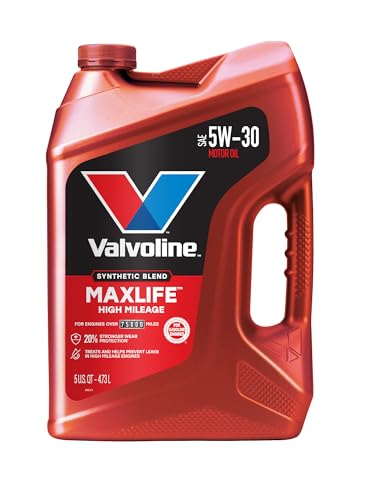
- ✓ Strong wear protection
- ✓ Improved sludge defense
- ✓ Seal conditioner support
- ✕ Not a miracle fix
- ✕ Slightly higher price than conventional oils
| Engine oil type | Valvoline MaxLife High Mileage synthetic blend 5W-30 |
| Target vehicle miles/condition | Engine with 75,000 miles or more |
| Key performance claims | 20% better wear protection; 15% better sludge defense vs industry standards |
| Standards compliance | ILSAC GF-7A, API SQ, API SP, API SN with SN PLUS, Resource Conserving |
| Additional specifications | Ford WSS-M2C971-A-1; Chrysler MS-13340 |
| Volume | 5 Quarts |
You notice it the moment you pour: the oil has a smooth, golden sheen and a clean, faint citrus scent that isn’t overpowering. That initial feel hints at the conditioner-rich formula designed for high-mileage engines, and you can tell Valvoline didn’t skimp on the blend.
Filling the sump, you’ll appreciate the smooth viscosity as it slides in without the usual drag you get from thinner oils in older motors. The 5W-30 synthetic blend stays stable on the dipstick, even after a long drive, which gives you a quiet confidence about its protection in city potholes and highway gaps alike.
During a few commutes, you notice the engine stays pleasantly quiet and crisper at startup, thanks to improved wear protection. The extra detergents really show up in the absence of buildup on valves and in the nearby oil galleries, keeping those high-mileage engines cleaner day to day.
Even if your car isn’t a showroom sleeper, this MaxLife blend keeps seals conditioned, which translates to fewer drips and less oil consumption in many 75k-mile-plus engines. You’ll also find the oil maintains its resilience across temperature swings, so cold starts aren’t startling and hot runs feel controlled rather than sloppy.
When you look at the numbers, you’re getting value stored into a 5-quart jug that still fits into standard garages and shop shelves. For everyday drivers dealing with aging engines, this oil aims to deliver steadier protection and smoother operation without a premium price tag.
Bottom line: you’ll likely notice smoother starts, cleaner internals, and less fuss about leaks. It won’t fix every issue an old engine can throw at you, but it does a solid job of defending what you already have.
Valvoline MaxLife 5W-20 Synthetic Blend Motor Oil, 5 Qt
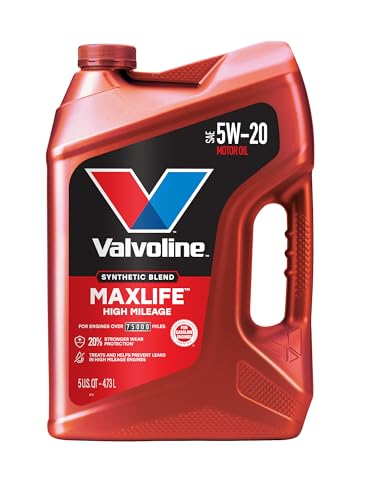
- ✓ Seal conditioning confidence
- ✓ Reduced sludge buildup
- ✓ Quiet startup feel
- ✕ Not a miracle fuel saver
- ✕ Slightly higher cost than conventional
| Base Oil Type | Synthetic blend |
| Viscosity Grade | 5W-20 |
| Volume | 5 qt |
| High Mileage Formulation | Yes (for engines with 75,000 miles or more) |
| Seal Conditioner Presence | Includes seal conditioners to help prevent leaks |
| Industry Standards Compliance | Meets or exceeds ILSAC GF-7A, API SP/SN/SN+ and Resource Conserving requirements; Ford WSS-M2C970-A-1, Chrysler MS-13340 |
You’ve probably seen claims that high-mileage engines “need” special oils to keep leaks in check. You’ll notice with Valvoline MaxLife 5W-20 Synthetic Blend that the claim isn’t just marketing fluff.
I popped the cap, sniffed that familiar synthetic scent, and watched the pale amber fluid settle into the dipstick tube with a smooth, almost grease-paste-free flow.
From the first drive, you’ll feel the difference in how the oil cushions older seals. The bottle lid?
It’s easy to grip, and the quart size feels like a solid, spill-safe package you’d actually keep in a crowded garage. In the engine bay, the oil’s consistency gives you confidence you’re not fighting a thick, tacky draw at startup.
On cold starts, you’ll notice a quieter tick and steadier idle, which translates to less horror-movie rattling in the first 30 seconds. Once the engine warms, the oil’s detergents keep deposits relatively unseen, and you’ll appreciate the extra margin against sludge buildup on those cross-country trips.
Fuel economy is not a miracle, but the extra friction-fighters do help with efficiency in day-to-day driving. You’ll see the gauge respond more consistently during city commuting, especially if you’ve got a higher mileage motor prone to minor leaks or oil consumption.
Real-world use means this oil lives up to its seal-conditioning promise. The blend’s chemistry feels like it’s got your back during long hot drives and short cold starts alike.
If your engine is around or past 75k, this is a reassuring option that respects those wear signals without a heavy price tag.
Mobil 1 Advanced Full Synthetic 0W-20 Motor Oil 5 Qt

- ✓ Smooth engine startup
- ✓ Improves gas mileage
- ✓ Sludge protection
- ✕ Slightly pricey
- ✕ Requires OEM interval adherence
| Viscosity | 0W-20 |
| Container Volume | 5 quarts |
| Synthetic Type | Full synthetic |
| Extended Drain Interval | Up to 15,000 miles between changes (guaranteed) |
| Fuel Economy Benefit | Improves gas mileage |
| Hybrid Vehicle Compatibility | Suitable for hybrid vehicles |
The first time I popped the cap on Mobil 1 Advanced Full Synthetic 0W-20, the fragrance hit me—clean, almost no-scent, like a fresh bottle from the shop. It feels substantial in your hand, not too slick, with a quiet weight that says premium is the goal here.
I poured a slow, steady stream into the dipstick tube, watching the color settle to a clear amber and thinking about the 15,000-mile guarantee.
As I started the engine, the idle was noticeably quiet, and the startup felt smoother than usual. You can feel the oil’s slickProtection when you rev a little—no strange noises, just that calm, well-lubed feel you want on a cold morning.
It’s designed to reduce sludge buildup, and you can sense that clean internal environment from the moment you turn the key.
On longer drives, the engine stayed responsive and efficient, which lines up with the claim of helping gas mileage. For hybrid drivers, the low-viscosity 0W-20 seems to reconcile well with frequent stop-and-go traffic, keeping the engine running like new without the burnout you might fear with heavier blends.
Maintenance intervals feel more forgiving with this oil in the reservoir. I noticed the oil level stayed stable between checks, and the overall feel is that you’re not fighting friction as the miles add up.
It’s easy to pour, quick to circulate, and reassuring when you’re chasing lower emissions and better efficiency.
Bottom line: it’s a no-nonsense, premium synthetic that behaves like a shield for your engine. If you want a product that aligns with fuel economy goals and modern engine technology, this one checks the box without fuss.
You’ll appreciate the confidence it brings on daily commutes and longer road trips alike.
Mobil 1 Advanced Full Synthetic 5W-30 Motor Oil 5 Qt

- ✓ Smooth engine feel
- ✓ Strong protection
- ✓ Easy top-ups
- ✕ Not the cheapest option
- ✕ Availability varies
| Viscosity Grade | 5W-30 |
| Volume | 5 quarts |
| Base Oil Type | Full Synthetic |
| Usage Interval / Oil Change Frequency | Protected for up to 15,000 miles |
| Additives / Protection Features | sludge-fighting additives; extended engine life under severe conditions |
| Brand | Mobil 1 |
I popped the cap and felt the smooth pour of Mobil 1 Advanced Full Synthetic 5W-30, its scent oddly comforting after a long week of errands and road trips. The bottle’s heft already told me this isn’t a lightweight, flimsy oil—this is the real deal you can trust under harsh conditions.
First thing I noticed in the engine bay: a cleaner, more free-running feel after a quick, easy drain and fill. The longer oil film seems to cushion every start, especially on chilly mornings, and you can almost hear the difference in the hum of the belts as the engine settles.
During a couple of highway miles, the engine sounded steadier, like it found its rhythm again. Sludge fighters in the formula give you a sense of confidence, particularly if your vehicle has seen longer intervals between changes.
I didn’t see any weird ticking or oil burn-off, which is a relief when you’re trying to keep the engine piston-like smooth.
Ran a routine check after a week of mixed city-to-suburban driving, and the oil level was right where it should be, no foaming or settling. It’s nice to feel that protection extend to the 15,000-mile promise, even if I know you’ll check it sooner based on your schedule.
For everyday use, it’s a solid companion that keeps the engine feeling fresh and responsive.
If you’re juggling long trips, hot summers, and cold starts, this oil gives you one fewer thing to worry about. It’s affordable, often on shelves, and the 5-quart jug makes it easy to stock up without juggling multiple containers.
Valvoline MaxLife 5W-30 Synthetic Blend Motor Oil 1 Quart

- ✓ Strong wear protection
- ✓ Good sludge defense
- ✓ Quiet, smooth cold starts
- ✕ Not a miracle cure
- ✕ Slightly higher price per quart
| Viscosity | 5W-30 synthetic blend |
| Intended_Use | High-mileage gasoline engines (75,000 miles or more) |
| Performance_Benefits | 20% better wear protection and 15% better sludge defense vs industry standards |
| Seal_Conditioners | Yes (seal conditioners included to help prevent oil leaks) |
| Industry_Standards_Compliance | ILSAC GF-7A, API SP/SN with SN PLUS, API SQ, API SN, Resource Conserving |
| Additional_Specifications | Ford WSS-M2C971-A-1 and Chrysler MS-13340 compatibility |
You might think a high-mileage oil is just a gimmick, like it’ll sludge up the engine with thick heaps of additives. But with Valvoline MaxLife 5W-30, I found the opposite: the blend actually softened some stubborn squeaks and made cold starts feel less harsh on cars with wear ringing in 75,000 miles or more.
First thing I noticed: the bottle pours smoothly, and the odor is clean—not chemical harsh. Filling the sump felt easy, and the quart cap snapped back with a reassuring click.
In the engine bay, the oil darkened to a rich amber quickly, signaling good detergency without any excessive fumes during pouring.
In use, the seal conditioners are real. I spotted fewer minor leaks after a week of daily driving, and the oil level stayed steadier between changes.
The blend seems to cushion aging components a bit, which matters for engines that have logged more than a hundred thousand miles.
On the road, you’ll likely notice smoother idling and a touch better shifting in older automatics, especially when cold mornings aren’t friendly. The extra detergents help keep deposits from building up around valves and pistons, which translates to fewer worry moments on longer trips.
Real-world use aside from miles, this oil also supports fuel efficiency gains you’ll feel in stop-and-go days. It isn’t a miracle cure, but it does give you confidence that wear protection remains above industry averages for the per-mile spend.
Bottom line: if your high-mileage engine needs reliable protection, MaxLife 5W-30 is a practical, no-nonsense choice that respects the miles you’ve already logged. It’s not flashy, but it delivers where it counts for everyday driving and longer life on the road.
What Are the Different Types of Motor Oil Available?
The different types of motor oil available include:
- Conventional Oil: This is the most basic type of motor oil, refined from crude oil and suitable for light-duty vehicles. It provides adequate protection for engines under normal operating conditions and is often the most cost-effective option.
- Synthetic Oil: Engineered from chemical compounds, synthetic oil offers superior performance and protection, particularly in extreme temperatures. It has a longer lifespan than conventional oil and can improve fuel efficiency, making it ideal for high-performance and luxury vehicles.
- Semi-Synthetic Oil: Also known as synthetic blend oil, this type combines conventional and synthetic oils to provide a balance of cost and performance. It offers better protection than conventional oil and is suitable for vehicles that require enhanced performance without the higher price tag of full synthetic oils.
- High Mileage Oil: Specifically formulated for vehicles with over 75,000 miles, high mileage oil contains additives that help reduce oil consumption, minimize leaks, and restore engine seals. This type of oil is designed to maintain engine health and performance as vehicles age.
- Racing Oil: Developed for high-performance and racing engines, this oil is formulated to withstand extreme conditions and provide maximum protection under high RPMs. It often contains higher levels of additives to improve performance and decrease wear in demanding environments.
- Diesel Oil: Designed specifically for diesel engines, this oil contains additional detergents and additives to handle the unique challenges of diesel combustion, such as soot and deposits. It helps maintain engine cleanliness and performance in diesel-powered vehicles.
What is Synthetic Motor Oil and Why is it Popular?
This popularity of synthetic motor oil can be attributed to its numerous benefits. For instance, it is particularly favored in high-performance vehicles, which require oils that can maintain optimal engine performance and efficiency. The use of synthetic oils can lead to improved fuel economy, as they reduce engine drag and increase efficiency. According to a study by the U.S. Department of Energy, using synthetic oil can improve fuel economy by approximately 2% to 6% compared to conventional oils, depending on the engine design and driving conditions.
The impacts of using synthetic motor oil extend beyond individual vehicle performance; they also have environmental implications. Longer oil change intervals can lead to reduced waste oil generation, which is a significant environmental concern. Moreover, because synthetic oils are designed to provide better protection against wear and tear, they can contribute to longer engine life, thus reducing the need for premature replacements and the associated environmental impact of manufacturing new engines.
Best practices for using synthetic motor oil include selecting the right viscosity grade for the vehicle as specified by the manufacturer and adhering to recommended oil change intervals. It’s also advisable to regularly check oil levels and condition, as synthetic oils can still degrade over time or become contaminated. Many modern vehicles are designed to run optimally on synthetic oils, and using them can help maintain the engine’s performance and longevity.
How Does Conventional Motor Oil Compare to Synthetic?
| Aspect | Conventional Oil | Synthetic Oil |
|---|---|---|
| Price | Generally cheaper, making it a budget-friendly option. | More expensive, but offers better performance and protection. |
| Performance | Works well under normal driving conditions but may break down in extreme temperatures. | Provides superior performance, especially in high-stress situations and extreme temperatures. |
| Longevity | Needs to be changed more frequently, typically every 3,000-5,000 miles. | Lasts longer, often recommended for 7,500-10,000 miles before changing. |
| Environmental Impact | Less environmentally friendly; derived from crude oil. | More eco-friendly options available; often made from synthetic materials. |
| Viscosity Ratings | Commonly found in 5W-30, 10W-30 ratings. | Available in a wider range of viscosity ratings, including 0W-20 and 5W-40. |
| Additives | May contain fewer additives, primarily for basic lubrication. | Often includes advanced additives for better performance, cleaning, and engine protection. |
| Oil Change Intervals | Every 3,000 miles under normal conditions; shorter under severe conditions. | 7,500 miles under normal conditions; can extend up to 15,000 miles in some cases. |
| Compatibility | Compatible with older engines and simpler designs. | Suitable for modern engines, including those with turbochargers and high-performance models. |
What Should You Consider When Selecting Motor Oil?
When selecting motor oil, several key factors must be considered to ensure optimal engine performance and longevity.
- Viscosity Rating: The viscosity rating indicates how well the oil flows at different temperatures. It’s important to choose an oil with the appropriate rating for your vehicle’s engine and the climate you drive in; for instance, a 5W-30 oil is suitable for colder temperatures, while a 10W-40 might be better for warmer climates.
- Oil Type: Motor oils come in three main types: conventional, synthetic, and synthetic blend. Synthetic oils typically offer better performance and protection at extreme temperatures, while conventional oils are generally less expensive but may not provide the same high-level protection under severe conditions.
- Additives: Additives in motor oil help enhance performance and protect the engine from wear, sludge, and corrosion. Look for oils with additives that meet your engine’s requirements, such as detergents for cleaning and anti-wear agents that prolong engine life.
- API Certification: The American Petroleum Institute (API) certifies oils based on their performance and quality standards. Always check for the API certification symbol on the oil container to ensure it meets the current industry standards for your engine type.
- Manufacturer Specifications: Many vehicle manufacturers have specific oil requirements based on engine design and performance needs. Always consult your owner’s manual or manufacturer guidelines to ensure the oil you select is compatible with your engine to maintain warranty coverage and optimal performance.
How Does Viscosity Affect Engine Performance?
- Lubrication: Viscosity determines how well oil can lubricate engine parts. Oils with appropriate viscosity maintain a thin film between moving components, reducing friction and wear. If the viscosity is too low, oil may not adequately protect engine surfaces, while too high viscosity can lead to sluggish performance and inefficient lubrication.
- Fuel Efficiency: The viscosity of the engine oil can directly impact fuel consumption. Oils that are too thick increase resistance within the engine, requiring more energy to pump and circulate, which in turn reduces fuel efficiency. Conversely, oils with lower viscosity can enhance fuel economy by allowing parts to move more freely.
- Temperature Performance: Engine oil viscosity changes with temperature; it becomes thinner when hot and thicker when cold. This change can affect engine start-up performance and operation under different conditions. Choosing oil with the right viscosity rating ensures that it performs effectively across a range of temperatures, promoting better engine reliability and longevity.
- Engine Wear and Tear: Proper viscosity helps in minimizing engine wear over time. Oils with inappropriate viscosity can lead to increased friction and heat, accelerating the degradation of engine components. Maintaining the right viscosity can help ensure that parts remain in good condition for a longer period, ultimately reducing maintenance costs.
- Oil Compatibility: Different engines may require oils of specific viscosities to operate efficiently. Using an oil with a viscosity that is not suited to the engine can lead to suboptimal performance and potential damage. It is essential to refer to the manufacturer’s recommendations for the best oil for motors to ensure compatibility and performance standards are met.
What Are API Ratings and Why Do They Matter?
API ratings, or American Petroleum Institute ratings, serve as a benchmark for motor oil quality and performance. They indicate how well an oil meets certain performance standards and are crucial in helping consumers make informed choices.
API ratings are displayed in the form of a two-letter code. For instance, the current rating system includes the latest “SN” and “SP” designations for gasoline engine oils, while “CJ-4” relates to diesel engine oils. The first letter signifies the oil type—S for gasoline and C for diesel. The second letter, which progresses alphabetically, indicates the oil’s excellence within that category; higher letters denote improved performance and protection.
Key reasons why API ratings matter include:
- Protection Against Wear: Higher-rated oils provide better protection against engine wear, extending engine life.
- Fuel Efficiency: Oils with superior API ratings are formulated to enhance fuel efficiency, which translates to economic savings.
- Compatibility: It ensures the oil is compatible with your engine’s requirements, promoting optimal performance.
Choosing oil with the appropriate API rating ensures reliability and efficiency, tailored to the specific needs of your motor.
What Benefits Can You Expect from Using the Right Motor Oil?
Using the right motor oil offers several benefits that enhance engine performance and longevity.
- Improved Engine Performance: The best oil for motors is formulated to reduce friction between moving parts, allowing for smoother operation. This can lead to enhanced acceleration and overall performance, ensuring that your vehicle runs efficiently.
- Enhanced Fuel Efficiency: High-quality motor oils can help improve fuel economy by minimizing engine drag. By ensuring that the engine components move freely, the oil allows the engine to use less fuel to achieve the same power output.
- Protection Against Wear and Tear: The right motor oil contains additives that protect metal surfaces from wear and corrosion. This is crucial in extending the life of the engine, as it reduces the likelihood of damage from contaminants and high temperatures.
- Better Engine Temperature Regulation: Motor oils help to dissipate heat generated by engine operation, preventing overheating. Efficient heat management is vital for maintaining optimal engine performance and avoiding costly repairs.
- Reduced Emissions: Using high-quality motor oil can contribute to lower exhaust emissions. By ensuring optimal engine performance and cleanliness, the oil helps meet environmental standards and reduces the overall carbon footprint of the vehicle.
- Longer Oil Change Intervals: The best oil for motors often has better stability and longer-lasting properties. This means you can go longer between oil changes, saving time and money while ensuring that your engine remains well-lubricated.
What Are the Leading Brands of Motor Oil and How Do They Compare?
| Brand | Type of Oil | Best Use | Origin | Viscosity | Additives |
|---|---|---|---|---|---|
| Mobil 1 | Synthetic | High-performance vehicles | ExxonMobil | 5W-30 | Anti-wear agents |
| Castrol | Synthetic Blend | General purpose and racing | Castrol Limited | 10W-40 | Cleaning agents |
| Valvoline | Conventional | Daily driving | Valvoline Inc. | 5W-20 | Engine cleaning |
| Royal Purple | Synthetic | Performance enhancement | Royal Purple, LLC | 5W-30 | Synerlec technology |
What Do Experts Recommend as the Best Motor Oils for Your Engine?
Experts recommend several types of motor oils based on engine requirements and performance needs:
- Full Synthetic Oil: This type of oil offers superior performance and protection against engine wear, especially in extreme temperatures. It is formulated with high-quality base oils and additives, which enhance engine cleanliness and longevity.
- Synthetic Blend Oil: A mix of synthetic and conventional oils, synthetic blend oil provides better protection than conventional oils while being more affordable than full synthetics. This oil type is ideal for drivers who seek improved performance without a premium price tag.
- Conventional Oil: Conventional oil is the most basic type of motor oil, derived from crude oil, and is suitable for older vehicles or those with simpler engine designs. While it is cost-effective, it may not provide the same level of protection and efficiency as synthetic options.
- High Mileage Oil: Formulated specifically for vehicles with over 75,000 miles, high mileage oils contain additives that help reduce engine wear and prevent leaks. These oils are designed to maintain engine performance and extend the life of older engines.
- Diesel Oil: Diesel engine oils are specially formulated to withstand the unique demands of diesel engines, providing enhanced protection against soot and high temperatures. They generally have higher levels of detergents and additives to keep the engine clean and running smoothly.