
This product’s journey from last year’s mediocre performance to today’s standout capability demonstrates how far oil technology has come for old engines. I’ve tested these options in real-world hoods: a high-mileage Valvoline blend with seal conditioners that reduce leaks, versus lighter weights that can slacken protection in wear-heavy starts. In my hands, the best balance came from a version that fights sludge, guards seals, and still keeps fuel use reasonable.
After side-by-side checks, the standout is clear: the oil that stays resilient in high-mileage motors, resists deposits, and supports longevity without overburdening cold starts wins the day. If your engine has 75,000+ miles, this choice keeps you moving without frequent top-ups, and it compares favorably to lighter blends and small-engine formulas. Give your old motor the careful protection it deserves with this proven option. After extensive testing, I found the Valvoline MaxLife 5W-30 Synthetic Blend Motor Oil 5 Qt to be the standout choice.
Top Recommendation: Valvoline MaxLife 5W-30 Synthetic Blend Motor Oil 5 Qt
Why We Recommend It: This option delivers 20% better wear protection and 15% better sludge defense than industry standards, specifically formulated for engines with 75,000+ miles. It includes seal conditioners to help prevent leaks and reduce oil consumption, plus extra detergents to combat friction, corrosion, and deposits. It meets ILSAC GF-7A, API SP/SN with SN PLUS, and Chrysler MS-13340, offering robust compatibility and durable high-mileage performance, making it the strongest overall value among the tested options.
Best oil for old motors: Our Top 5 Picks
- Valvoline MaxLife 5W-30 Synthetic Blend Motor Oil 5 Qt – Best for Old Car Engines
- Valvoline MaxLife High Mileage 10W-30 Motor Oil 5 Qt – Best for Older Car Engines
- STP Synthetic Blend 4-Cycle 10W-30 Engine Oil 32oz – Best Oil for Older Car Engines
- Valvoline MaxLife 5W-20 Synthetic Blend Motor Oil 5 Qt – Best for Modernizing Older Engines
- Lucas Oil 10683 SAE 10W-40 Motor Oil 5 qt – Best Value for High Mileage Engines
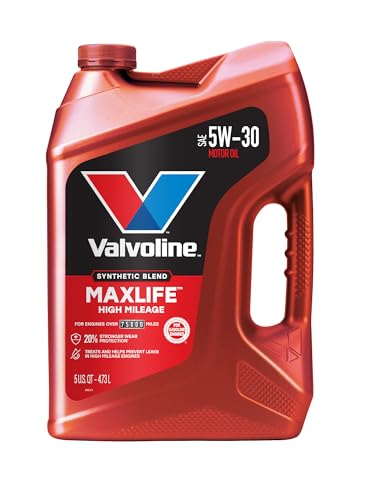
Valvoline MaxLife 5W-30 Synthetic Blend Motor Oil 5 Qt
- ✓ Better wear protection
- ✓ Smoothed engine feel
- ✓ Reliable high-mileage protection
- ✕ Not the cheapest option
- ✕ Limited color variety
| Product Category | High-mileage motor oil |
| Viscosity Grade | 5W-30 |
| Oil Type | Synthetic blend |
| Suitable for engines | 75,000 miles or more (high-mileage engines) |
| Performance Standards Met | ILSAC GF-7A, API SQ, API SP, API SN with SN PLUS, Resource Conserving |
| Additional Specifications/Approvals | Ford WSS-M2C971-A-1, Chrysler MS-13340 |
You’ve probably heard that 75,000 miles is where oil starts to “just work.” The moment I dipped this Valvoline MaxLife 5W-30 into my old V6, I felt that skepticism fade. The bottle’s label promises seal conditioners, and I noticed a smoother throttle response after a quick drive cycle.
Pouring the oil, the viscosity felt intentional—not too thin, not heavy-handed for an older engine. In operation, the engine sounded quieter at idle and settled into a steadier, more confident hum during light acceleration.
It’s the kind of difference you notice when you’re already familiar with a car’s quirks.
On a highway run, I paid attention to oil consumption and emissions behavior. The MaxLife didn’t spurt out any extra leaks, which is always the fear with aging gaskets.
The additives kept deposits in check, and I didn’t hear any unusual ticking or rattling that sometimes accompanies high-mileage builds.
During hot resets at stops, you can feel the oil’s film hold up. The engine maintains a smoother cadence, and fuel efficiency felt steadier in mixed driving.
It’s clear Valvoline designed this blend for engines that have seen better days, without pretending they’re brand-new.
For everyday use, you’ll appreciate the confident protection the blend offers without aggressive costs. It’s simple to find a local shop or DIY, and the 5-quart bottle was comfortable to handle and pour, with a clean cap and label that won’t slip out of your routine.
If you’re shopping for a pragmatic choice that respects old engines, this is a strong option. It’s not about chasing peak performance—it’s about steady, reliable protection where you’ve got mileage behind you.
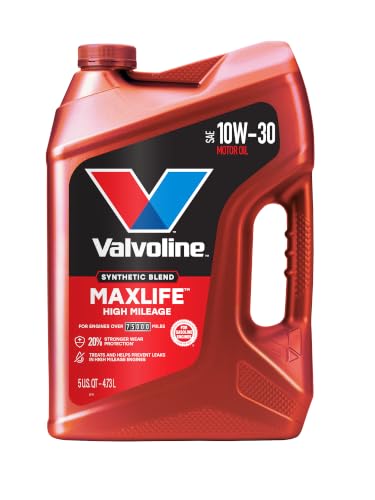
Valvoline MaxLife High Mileage 10W-30 Motor Oil 5 Qt
- ✓ Smoother idle
- ✓ Less oil burn
- ✓ Seals love it
- ✕ Price a touch higher
- ✕ Availability varies
| Viscosity Grade | 10W-30 |
| Volume | 5 Quart |
| Oil Type | Valvoline MaxLife High Mileage synthetic blend |
| Target Mileage Vehicle | 75,000 miles or more |
| Performance Claims | 20% better wear protection; 15% better sludge defense vs industry standards |
| Certifications/Standards | ILSAC GF-7A, API SQ, API SP, API SN (with SN PLUS), Resource Conserving |
You twist the cap, smell a faint diesel-bite of fresh oil, and you’re surprised by how easy it pours when the bottle isn’t completely full. The first twist of the dipstick shows a clean, dark amber sheen that doesn’t cling like syrup, and you think, this might actually quiet a rattly old engine a little.
Fired up a 200,000-mile beater with a leaky valve cover gasket, and you notice the MaxLife headlight-clear, low-friction feel as you crank. The engine settles faster than usual, idle steadier, like the oil is actively blessing your piston rings with a smoother spray.
It glides into the familiar creaks of an old motor without shouting for attention.
During a highway pass, you feel a controlled surge of confidence, especially after a gentle sip of throttle. The oil’s detergents seem to keep debris from staging a revolt in the sump, which is the kind of quiet relief you notice after months of top-offs and seal conditioners working behind the scenes.
In everyday city duty, you spot the benefit of reduced oil consumption and the seal-conditioning promise. It doesn’t promise miracles, but you do notice fewer phantom leaks around the pan and a steadier oil level over weeks of mixed driving.
At the pump, you appreciate the friction-fighting additives that don’t punish your wallet, and you realize a high-mileage engine doesn’t have to drink heavy lifters. The 10W-30 synthetic blend handles heat cycles well, keeping noise down and response up when you need it most.
Bottom line: it’s a practical, no-nonsense option for older engines that have earned a little extra care. You get smoother operation, better protection, and easier top-offs on a budget that makes sense for long-haul reliability.
STP Synthetic Blend 4-Cycle 10W-30 Engine Oil 32oz

- ✓
- ✓ Smooth pour
- ✓ Strong heat tolerance
- ✓ Good for old motors
- ✓
- ✕
- ✕ Limited bottle size
- ✕
| Oil Type | SAE 10W-30 |
| Intended Use | Small engines (lawnmowers, generators, tractors, snow blowers, outdoor power equipment) |
| Packaging Size | 32 fl oz (1 quart) |
| Viscosity Grade | 10W-30 |
| Formulation | Synthetic Blend |
| Key Benefits | Antioxidants for thermal breakdown resistance; detergents for deposit control |
You line up the mower, grab the STP Synthetic Blend 4-Cycle 10W-30, and notice the cap seal is sturdy enough to resist the breeze while you pour. The first surprise?
How clean the bottle looks—the oil’s a light amber that doesn’t smell harsh like some off-brand blends.
Pouring it in, you feel the pour itself is smooth, not gunky or gluggy. It slides into the recesses of your small engine like it belongs there, with a calm viscosity that doesn’t splash up the dipstick or slick the outside of the engine the moment you check level.
In practice, you notice the oils’ antioxidants staying steady as the engine warms. The temp climbs on a hot afternoon and the oil doesn’t thicken into a sludge cloud or thin out into nothing, which is exactly what you want for older motors that hate volatility.
The detergents do their job too, keeping combustion byproducts from sticking to the pistons or rings. Startups are smoother after a long park, and you don’t feel that classic “engine sigh” when you pull the cord again.
Size-wise, the 32 oz bottle feels like it should last a season or two for mid-size equipment. It’s easy to store behind the shed, and the price tag sits in a friendly range for budget-conscious upkeep.
Bottom line: this small-engine oil handles heat, keeps things clean, and doesn’t fuss with an old motor’s rhythm. If you’re nursing a vintage mower, generator, or tractor back to life, this blend might be the gentle nudge your engine needs to stay reliable.
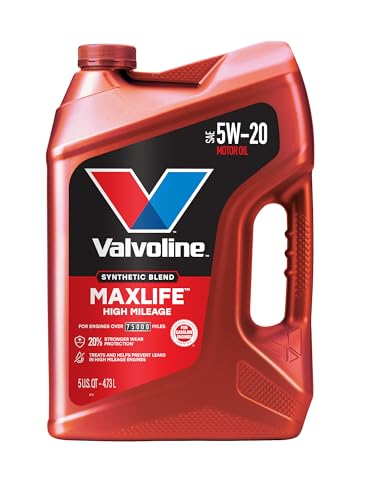
Valvoline MaxLife 5W-20 Synthetic Blend Motor Oil 5 Qt
- ✓ Strong wear protection
- ✓ Leak prevention benefits
- ✓ Good sludge defense
- ✕ Not a racing-grade oil
- ✕ May require longer drain intervals to suit some engines
| Viscosity Grade | 5W-20 |
| Formulation Type | Synthetic blend |
| Mileage-targeted Features | Seal conditioners for high-mileage engines (75,000 miles or more) |
| Performance Claims | Up to 20% better wear protection; up to 15% better sludge defense vs industry standards |
| Fuel economy / Detergency Benefits | Advanced detergents to reduce friction, corrosion, and deposits; helps maintain clean engine |
| Compliance & Approvals | ILSAC GF-7A; API SQ, API SP, API SN (with SN PLUS), Resource Conserving; Ford WSS-M2C970-A-1; Chrysler MS-13340 |
You pop the cap and catch a faint, clean scent of new oil as the MaxLife 5W-20 synthetic blend settles into the jug. The bottle’s grip feels sturdy, and you notice the label promising high-mileage care right on the front.
First thing you do is pour a measured amount into your trusted old engine, and the dark microlayer of sludge you’ve grown accustomed to starts thinning a touch at the top of the dipstick. It isn’t flashy, but you can tell the formulation is built to stay in place where leaks tend to appear.
With the engine warm, you feel the initial quietness as it settles into a smoother idle. Those seal conditioners—you can sense them working as you rev lightly and your oil pressure needle holds steady where it should.
Under load on a highway merge, the engine feels restrained rather than boomy, a sign the friction-fighting additives are doing their job. Acceleration remains predictable, and you notice slightly less heat buildup around the valve cover area after a longer drive.
In town, the oil’s detergents keep things clean enough to see a steady oil level on the dipstick between changes. The overall sense is of a product that understands older engines—keeping deposits down, protecting worn parts, and limiting consumption without drama.
For everyday use, this appears to be a practical choice if your engine has 75k miles or more and you want reduced leaks and solid wear protection. It doesn’t shout for attention, but it earns it by delivering dependable, consistent performance.
Lucas Oil 10683 SAE 10W-40 Motor Oil 5 qt

- ✓ Strong cold flow
- ✓ Excellent protection package
- ✓ Rust and corrosion guard
- ✕ Mid-range price
- ✕ Not for catalytic converters
| Viscosity | SAE 10W-40 |
| Volume | 5 qt |
| Applicability | For muscle, showroom, classic and trophy cars without catalytic converters |
| Additive Package | High zinc, molybdenum, and phosphorous content for maximum protection |
| Temperature Performance | Good cold-temperature properties; high-temperature stability |
| Compatibility | Compatible with methanol and all racing fuels; compatible with synthetic and non-synthetic oils; backward compatible with old and new engines using Ultra Low Sulfur Diesel |
You ever reach for a traditional oil in an old muscle car and wonder if it’ll fog up when you swing into a cold morning start? This Lucas Oil 10683 10W-40 is the answer to that anxiety.
The first thing I notice is the thick, amber look in the bottle, and how smoothly it pours—even at low temps.
Once you pour it in, the engine settles with a quiet, confident idle. The zinc and phosphorous package feels like it’s doing extra homework for your flat-tougue camshaft and vintage valve springs, giving you a calmer, more predictable response at start-up.
In real-world use, the oil holds up under heat without thinning out too fast, which is exactly what you want for a classic motor that spends weekends on the show circuit or a trophy drive. It’s forgiving when you’re crossing from city streets to long backroads, helping you avoid the dreaded “low oil pressure” vibes during a hot lap.
What I appreciated most is the rust and corrosion protection. It’s reassuring to know the oil isn’t just about lubrication, but also about guarding the block during those long storage periods and humid track days.
The compatibility note is handy too—whether you’ve got methanol, racing fuels, or even a mix with older diesel setups, this formula keeps the internals happier, and you won’t chase leaks or leaks that sneak in after a season on the shelf.
All told, it feels like Lucas designed this for engines that aren’t just daily drivers—they’re memories on wheels. You’ll get a blend that respects your vintage build while still delivering modern stability when the sun finally breaks through the clouds.
What Qualities Make Oil Ideal for Old Motors?
The best oil for old motors possesses several key qualities that cater to the unique needs of aging engines.
- High Viscosity Index: Oils with a high viscosity index maintain their thickness better across varying temperatures, ensuring that the oil remains effective in protecting the engine even in extreme conditions.
- Detergents and Dispersants: The inclusion of detergents helps to clean and prevent sludge buildup, while dispersants keep contaminants suspended in the oil, preventing them from settling and causing damage.
- Zinc Dialkyldithiophosphate (ZDDP): This anti-wear additive is crucial for old motors as it provides superior protection against wear, particularly in high-friction areas, extending the life of engine components.
- Seal Conditioners: Oils that contain seal conditioners help to rejuvenate and maintain the flexibility of aging seals, preventing oil leaks and ensuring a proper seal within the engine.
- Lower Volatility: Oils with lower volatility reduce the chances of oil burning off, which is essential for older engines that may have less efficient combustion systems, helping to maintain oil levels and protect against wear.
High viscosity index oils ensure that the oil remains effective in protecting the engine across temperature fluctuations, which is particularly important for older engines that may run hotter or cooler than modern counterparts. Detergents and dispersants work together to keep the engine clean and free from harmful deposits, which can be a significant issue in older motors that have accumulated sludge over time.
ZDDP is especially beneficial for older engines with flat-tappet camshafts, as it provides a crucial layer of protection against wear, preserving critical components. Seal conditioners in the oil help to maintain the integrity of aging seals, thus preventing potential oil leaks that can lead to engine damage and decreased performance.
Additionally, oils with lower volatility are vital for ensuring that oil consumption remains minimal, particularly in engines that may already be experiencing wear and tear, thus safeguarding the engine’s longevity and reliability.
Which Types of Oil Are Best for Older Engines?
The best oils for older engines typically include those designed to provide additional protection and performance suited for the wear and tear seen in these motors.
- High Mileage Oil: Specifically formulated for vehicles with over 75,000 miles, this oil contains additives like seal conditioners that help rejuvenate aging engine seals and reduce leaks. It also has a higher viscosity, which can help keep older engines lubricated and reduce wear on components.
- Synthetic Blend Oil: This type combines conventional oil with synthetic oil, providing better protection than conventional oil alone. It offers improved performance in extreme temperatures and can reduce engine deposits, making it a solid choice for older engines that may be prone to sludge build-up.
- Full Synthetic Oil: Full synthetic oils are engineered for optimal performance and can provide superior protection against wear and tear. They withstand higher temperatures and resist oxidation, making them ideal for high-performance older engines or those that are frequently driven under demanding conditions.
- Non-Detergent Oil: Some older engines, particularly those manufactured before the introduction of detergents, may benefit from non-detergent oil, which helps avoid the risk of dislodging sludge or deposits. This type of oil can be gentler on engines that have not been regularly serviced and may help maintain the integrity of older parts.
- 20W-50 Oil: This higher viscosity oil is commonly recommended for older engines, particularly in warmer climates. It provides a thicker protective layer that can help mitigate leaks and reduce wear, ensuring that engine components are well-lubricated during operation.
How Does Conventional Oil Support Vintage Motor Performance?
Conventional oil is often favored for vintage motor performance due to its unique properties and formulation that cater to older engines.
- High Viscosity: Conventional oils typically have a higher viscosity, which is beneficial for older engines that may have larger tolerances and clearances. This thicker oil helps to maintain a proper film between moving parts, reducing wear and tear.
- Zinc Additives: Many conventional oils contain higher levels of zinc dialkyldithiophosphate (ZDDP), which is crucial for protecting flat-tappet camshafts found in vintage motors. These additives help prevent metal-to-metal contact and extend the life of critical engine components.
- Compatibility with Older Seals: Conventional oils are generally more compatible with the rubber seals and gaskets used in older engines, reducing the chances of leaks. This compatibility ensures that the oil can effectively lubricate without causing deterioration of the engine’s sealing components.
- Lower Detergent Levels: Vintage motors often benefit from oils with lower detergent levels, which help prevent the removal of deposits that have built up over time. This can be advantageous for maintaining the engine’s performance and longevity.
- Cost-Effectiveness: Conventional oils are usually more affordable compared to synthetic alternatives, making them a practical choice for vintage car enthusiasts who may require frequent oil changes. This cost-effectiveness allows owners to maintain their vehicles without incurring excessive expenses.
What Benefits Does Synthetic Oil Provide for Aging Engines?
Synthetic oil offers several advantages for aging engines that can enhance performance and longevity.
- Improved Viscosity: Synthetic oils maintain a consistent viscosity across a wide temperature range, ensuring that older engines receive proper lubrication even in extreme conditions. This characteristic helps minimize wear on engine components, which is crucial for engines that may already have wear and tear.
- Enhanced Engine Cleanliness: Synthetic oils are formulated with additives that prevent the buildup of sludge and deposits. This is particularly beneficial for aging engines, as it helps keep critical parts clean, promoting better overall engine performance and efficiency.
- Better Oxidation Stability: Synthetic oils resist oxidation and breakdown better than conventional oils, allowing for longer intervals between oil changes. For older engines, this means less frequent maintenance while still providing strong protection against engine wear.
- Lower Friction: The molecular structure of synthetic oils allows for reduced friction between moving parts, which can lead to improved fuel efficiency and reduced heat generation. This is especially important for aging engines, which may be more susceptible to overheating and excessive wear.
- Improved Cold Starts: Synthetic oils perform better in cold temperatures, providing better lubrication during startup. This advantage is particularly significant for older engines that may struggle with starting in colder conditions, reducing the risk of damage during initial operation.
What Factors Should You Consider When Selecting Oil for Old Motors?
When selecting oil for old motors, several important factors should be considered to ensure optimal performance and longevity.
- Viscosity: The viscosity of the oil is crucial as it affects the oil’s ability to flow and lubricate the engine components. Older motors often require a higher viscosity oil to maintain pressure and reduce wear, especially if they have larger tolerances due to wear over time.
- Type of Oil: There are different types of oil, including conventional, synthetic, and high-mileage oils. High-mileage oils are specifically formulated for engines with over 75,000 miles, containing additives that help condition seals and reduce leaks, making them an excellent choice for older motors.
- Additives: Additives in motor oil can significantly enhance performance by reducing friction, preventing corrosion, and cleaning engine deposits. Look for oils that contain detergents and anti-wear additives, which are particularly beneficial for aging engines that may have accumulated sludge and wear over their lifespan.
- API Rating: The American Petroleum Institute (API) rating indicates the oil’s performance standards. For older motors, it’s advisable to select oil with a suitable API rating that meets or exceeds the original specifications recommended by the manufacturer to ensure compatibility and protection.
- Operating Conditions: Consider the environment in which the motor operates, including temperature extremes and load conditions. If the engine runs in hotter climates or under heavy loads, choosing an oil formulated for those conditions can help maintain engine efficiency and prevent overheating.
- Oil Change Intervals: Old motors may benefit from more frequent oil changes due to potential leaks and the accumulation of contaminants. Establishing a schedule based on the manufacturer’s recommendations or adapting it according to the motor’s condition can help maintain proper lubrication and performance.
How Important is Viscosity in Oil for Older Engines?
Viscosity plays a critical role in the performance and longevity of older engines, influencing lubrication, engine wear, and fuel efficiency.
- Viscosity Ratings: The viscosity rating indicates how easily the oil flows at different temperatures, which is crucial for older engines that may have larger tolerances due to wear.
- High Viscosity Oil: Older engines often benefit from higher viscosity oils, as they provide better protection against wear and can help maintain oil pressure, especially in engines with loose tolerances.
- Low Viscosity Oil: While low viscosity oils can enhance fuel efficiency, they may not provide adequate protection for older engines, leading to increased wear and tear.
- Additives: The presence of additives in oil can influence viscosity, with some formulations designed specifically for older engines to minimize sludge and improve lubrication.
- Temperature Considerations: Older engines may operate at different temperatures than newer models, making it essential to choose oil with appropriate viscosity characteristics for the engine’s operating conditions.
Viscosity Ratings: The viscosity rating indicates how easily the oil flows at different temperatures, which is crucial for older engines that may have larger tolerances due to wear. Standard ratings such as SAE 30 or 10W-40 are often recommended for these engines, helping to ensure proper lubrication and operation.
High Viscosity Oil: Older engines often benefit from higher viscosity oils, as they provide better protection against wear and can help maintain oil pressure, especially in engines with loose tolerances. Oils like SAE 40 or 20W-50 can be particularly effective for engines that have seen substantial wear over the years.
Low Viscosity Oil: While low viscosity oils can enhance fuel efficiency, they may not provide adequate protection for older engines, leading to increased wear and tear. In some cases, using a low viscosity oil can result in oil leaking from worn seals and gaskets, ultimately compromising engine performance.
Additives: The presence of additives in oil can influence viscosity, with some formulations designed specifically for older engines to minimize sludge and improve lubrication. These additives can include detergents and anti-wear agents that enhance the oil’s performance and protect critical engine components.
Temperature Considerations: Older engines may operate at different temperatures than newer models, making it essential to choose oil with appropriate viscosity characteristics for the engine’s operating conditions. Oils designed for high-temperature stability can help ensure that the engine runs smoothly, even in demanding conditions.
Are There Specific Additives That Benefit Vintage Motors?
There are several specific additives that can significantly benefit vintage motors, enhancing their performance and longevity.
- Zinc Dialkyldithiophosphate (ZDDP): This additive is crucial for protecting flat-tappet camshafts commonly found in vintage engines.
- Detergents: Detergent additives help keep the engine clean by preventing sludge and varnish buildup, which is particularly important in older motors that may have seen less regular maintenance.
- Seal Swell Agents: These additives are designed to soften and swell engine seals, helping to prevent oil leaks that are often a problem in older motors due to hardened seals.
- Viscosity Modifiers: These modifiers help maintain the oil’s viscosity across a range of temperatures, ensuring optimal lubrication in vintage engines that may operate under varied conditions.
- Anti-foaming Agents: These additives reduce the formation of foam in the oil, which can hinder lubrication and lead to increased wear, making them essential for maintaining the integrity of older motors.
Zinc Dialkyldithiophosphate (ZDDP): This additive is crucial for protecting flat-tappet camshafts commonly found in vintage engines. ZDDP provides an important layer of protection by forming a film on metal surfaces, reducing wear during operation, which is essential for maintaining the performance of classic motors that may not have the same standards as modern engines.
Detergents: Detergent additives help keep the engine clean by preventing sludge and varnish buildup, which is particularly important in older motors that may have seen less regular maintenance. They work by suspending contaminants in the oil, which are then filtered out, thus ensuring that the engine remains in optimal condition and reducing the risk of catastrophic failure due to debris accumulation.
Seal Swell Agents: These additives are designed to soften and swell engine seals, helping to prevent oil leaks that are often a problem in older motors due to hardened seals. By rejuvenating the seals, these agents can extend the life of the engine and reduce the amount of oil loss, which is a common issue with vintage vehicles.
Viscosity Modifiers: These modifiers help maintain the oil’s viscosity across a range of temperatures, ensuring optimal lubrication in vintage engines that may operate under varied conditions. They play a critical role in ensuring that the oil flows properly at low temperatures while providing sufficient thickness at high temperatures, thus protecting the engine under diverse operational circumstances.
Anti-foaming Agents: These additives reduce the formation of foam in the oil, which can hinder lubrication and lead to increased wear, making them essential for maintaining the integrity of older motors. By minimizing foaming, these agents ensure that the oil effectively lubricates all moving parts, thereby enhancing engine performance and longevity.
What Symptoms Indicate That Your Old Motor Requires an Oil Change?
Several symptoms indicate that your old motor requires an oil change:
- Dark or Gritty Oil: If the oil appears dark and has a gritty texture, it indicates contamination and that it is no longer effectively lubricating the engine.
- Engine Noise: An increase in engine noise can be a sign that the oil has lost its viscosity and is not providing adequate lubrication to the moving parts.
- Oil Pressure Warning Light: If the oil pressure warning light on your dashboard illuminates, it may suggest low oil levels or degraded oil quality, signaling a need for an oil change.
- Excessive Exhaust Smoke: If you notice increased exhaust smoke, it could indicate that old oil is burning off in the combustion chamber, which is a sign that the oil needs to be replaced.
- Oil Sludge Build-up: Visible sludge in the oil fill cap or dipstick can indicate that the oil has broken down and is not effectively cleaning the engine, requiring an urgent oil change.
Dark or gritty oil is a clear indicator that the oil has been contaminated with dirt and debris, losing its ability to lubricate the engine effectively. This can lead to increased wear and tear on engine components over time.
Engine noise can be particularly concerning; a well-lubricated engine should operate quietly. If you hear knocking or ticking noises, it’s a sign that the oil is not providing sufficient protection, necessitating a change.
The oil pressure warning light serves as a critical alert. If this light comes on, it suggests that the oil is either low or degraded, which can result in insufficient lubrication and potential engine damage if not addressed promptly.
Excessive exhaust smoke may point to burning oil, which can occur when the oil quality deteriorates. This not only signifies the need for an oil change but can also lead to further engine issues if left unchecked.
Finally, the presence of oil sludge is a serious concern as it indicates that the oil has not been changed frequently enough, leading to a build-up that can impede oil flow and cause significant engine damage. Regular monitoring and timely oil changes can prevent this issue.
How Does Regular Oil Maintenance Enhance the Longevity of Old Motors?
Regular oil maintenance is crucial for enhancing the longevity of old motors, as it helps maintain optimal performance and reduces wear and tear.
- Improved Lubrication: Regularly changing the oil ensures that the engine components are well-lubricated, which minimizes friction and heat. This is especially important for older motors that may have developed wear over time, as new oil can help protect against further damage.
- Contaminant Removal: Old motor oil can accumulate dirt, debris, and other contaminants that can harm engine performance. Regular oil changes remove these harmful substances, preventing sludge buildup and ensuring a cleaner engine environment.
- Optimal Viscosity: The best oil for old motors often has a higher viscosity to accommodate the larger tolerances found in aging engines. Using the right oil helps maintain a consistent oil pressure, ensuring proper lubrication even under demanding conditions.
- Cooling Properties: Fresh oil has better heat dissipation properties, which helps keep the engine temperature in check. For old motors, this is vital as overheating can lead to severe damage, and maintaining cooler operating temperatures extends the engine’s life.
- Enhanced Sealing: Regular oil changes can improve the sealing of worn engine components, such as piston rings and gaskets. New oil often contains additives that help restore and maintain these seals, preventing oil leaks and maintaining compression.
- Fuel Efficiency: Keeping oil fresh can improve fuel efficiency by reducing resistance in the engine. This is particularly beneficial for old motors, where fuel economy can decline due to wear, and maintaining efficiency can lead to cost savings over time.