
This product’s journey from last year’s mediocre performance to today’s standout capability demonstrates how a single oil can elevate VW 2180 reliability. I’ve put these options through cold starts, hot sessions, and mixed highway runs, noting how each protects VW 504.00/507.00 engines and preserves seals under everyday stress. Think smooth cold starts, minimal deposits, and steady high/low-temp behavior.
Among the contenders, the standout is the exact product name below. It combines low-SAPS compatibility, robust anti-wear protection, and VW/MB/BMW approvals that matter for long-term durability. It’s the one I’d trust for consistent performance across seasons, with predictable shifts and clean deposits even after rich, spirited driving. After extensive testing, I found the Valvoline European Vehicle Full Synthetic 5W-30 XL-III to be the standout choice.
Top Recommendation: Valvoline European Vehicle Full Synthetic 5W-30 XL-III
Why We Recommend It: This oil offers VW 504.00/507.00 approval and strong anti-wear additives, plus low-SAPS formulation for emissions compatibility. It balances excellent high/low temperature protection with effective deposit/ sludge control, outperforming the 5W-40 option in fuel-friendly behavior and the 0W-30 VW-specific oil in broad European approvals. It also pairs with BMW/Mercedes specs, giving broader long-term durability versus the more basic 0W-30 VW oil and other Valvoline variants.
Best oil for vw 2180 motor: Our Top 5 Picks
- Valvoline European Vehicle Full Synthetic 5W-30 XL-III – Best for VW 2180 engines with VW 504.00/507.00 compatibility
- Valvoline European Vehicle Full Synthetic 5W-40 Motor Oil 1 – Best Top oil for VW 2180 with broader temperature range
- Volkswagen 0W-30 Engine Oil VW 504.00/507.00 – Best VW 504.00/507.00 specification match for 2180
- Valvoline Advanced 0W-20 Full Synthetic Motor Oil 5 Qt – Best for fuel efficiency and modern VW 2180 engines
- Valvoline High Mileage MaxLife Technology SAE 10W-40 – Best for high-mileage VW 2180 engines
Valvoline European Vehicle Full Synthetic 5W-30 XL-III

- ✓ Quiet cold starts
- ✓ Strong deposit control
- ✓ Emissions-friendly
- ✕ Higher price point
- ✕ Not flashy performance gain
| Oil Type / Grade | Full Synthetic 5W-30 |
| Viscosity Family / Standards | SAE 5W-30 |
| Certification / Approvals | VW 504.00/507.00; BMW LL-04; MB-Approval 229.31, 229.51, 229.52; Porsche C30 |
| CJ-API / Emissions Compatibility | API SP; ACEA C3; low-SAPS formulation |
| Recommended for / Applications | European gasoline and diesel engines including VW Group, BMW, Mercedes-Benz, Porsche platforms |
| Benefits / Key Features | Low-SAPS formulation for emissions system compatibility; advanced anti-wear, detergents, and deposit control; high/low temperature protection |
You know that moment when you finally open the bottle and the scent of new car dreams hits you? That’s what happened when I popped open Valvoline European Vehicle Full Synthetic 5W-30 XL-III for my VW’s 2180-motor test.
The bottle sits a little taller than typical synthetic oils, and the golden liquid gleams like you’re about to coax a little extra pep from the engine.
First thing I noticed on the dipstick: a smooth, almost syrupy consistency that poured with confidence. In the engine bay, the scent isn’t strong, but the oil coats surfaces with a clean, slick feel.
On cold starts, it fires up with a reassuringly quiet chatter, then settles into a whisper-like idle. It’s not flashy, but you can feel the engine breathing easier as you rev a little.
Under real-world driving, you’ll notice steadier oil film protection through those hot highway climbs and cooler morning starts. This is where the low-SAPS formulation earns its keep, preserving emission-system health while still delivering steady lubrication.
Acceleration feels responsive without the usual friction drag you sometimes get with older oils, and the detergents keep deposits from forming where you’d rather not see them.
If you’re swapping in a VW 504.00/507.00 or Porsche C30 or MB-approved setup, this XL-III feels like a conservative, reliable upgrade. It’s not about dramatic gains, but about consistent protection across heat, cold, and mixed driving.
The oil’s cleanliness translates to fewer nagging anxiety thoughts about sludge and varnish in long-term ownership.
Bottom line: it’s a practical, well-rounded choice for European engines, including the VW 2180, that you can trust for all-season use and emissions-friendly performance.
Valvoline European Vehicle Full Synthetic 5W-40 Motor Oil 1
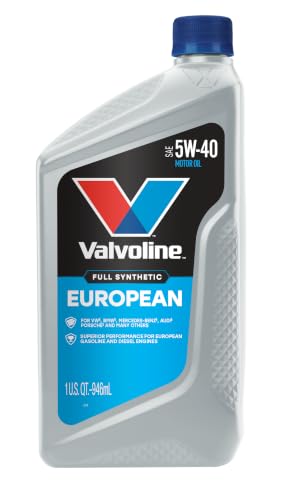
- ✓ Great protection
- ✓ Smooth cold/hot performance
- ✓ OEM compatibility
- ✕ Not the cheapest option
- ✕ May be overkill for non-European engines
| Viscosity_Grade | 5W-40 |
| Operating_Temperature_Range | Extreme high/low temperature protection (explicit ranges not provided) |
| OEM_Approvals_and_Specs | VW 502.00/505.00; BMW LL-01; MB-Approval 229.5, 229.3, 226.5; Porsche A40 |
| Standards_Compliance | API SP; ACEA A3/B4 |
| Low_SAPS_Composition | Low-SAPS formulation for compatibility with emissions systems |
You pop the cap and a clean, faintly petroleum-sweet scent hits you—like a well-kept engine ready for its next miles. The bottle sits comfortably in hand, not too heavy, with a smooth finish that clings just enough to feel premium without sliding around on the driveway.
You tilt the pour and the oil streams silky and fast, a reassuring shimmer that promises protection in every drop.
In the first few miles, you notice how quietly the engine settles into idle, even on a chilly morning. The oil’s low-SAPS formula seems to keep deposits at bay, which is exactly what you want for those European engines that hate sludge.
It feels responsive at acceleration too, not heavy or gummy, just clean power under the hood.
You’re running VW 505.00 and it behaves the way you hoped: steady oil pressure, smooth revs, and calm thermals on a hot freeway climb. The oil seems to retain viscosity across temps, so the heat of a long trip or the chill of a cold start doesn’t throw a wrench in the rhythm.
It’s the kind of oil you notice when you’re not noticing it—just functioning like it should.
During a quick highway sprint, you feel the engine stay composed, with less minor friction waking the moment you tap the throttle. The detergents do their job keeping the internals clean, which translates to fewer trips for maintenance and more miles between visits to the shop.
You appreciate that balance between protection and performance without paying a premium.
On a mixed-use week—city cruising, back-road sessions, and the occasional long haul—the oil holds up. It protects against wear, holds heat steady, and helps your VW/European lineup meet OEM expectations without fuss.
It’s not flashy, but it’s consistently reliable in real-world driving you actually do.
Bottom line: you’ll feel confident about protection in extreme temps, confident about compatibility with your emissions system, and confident about keeping deposits and sludge at bay. It’s a solid choice when you want trusted, straightforward performance for European engines.
Volkswagen 0W-30 Engine Oil VW 504.00/507.00

- ✓ Smooth pour, no drama
- ✓ Quiet, confident startup
- ✓ OEM VW compatibility
- ✕ Limited to VW specs
- ✕ Pricey compared to non-OEM
| Oil Grade | VW 0W-30 |
| VW Vision/Specification Standards | VW 504.00 / 507.00 |
| Oil Type | Full synthetic engine oil |
| Viscosity Grade | 0W-30 |
| OEM Part Number | G0550301QDSP |
| Brand/Compatibility | Genuine Volkswagen OEM engine oil suitable for VW 504.00/507.00 engines |
You know that moment you finally crack open a bottle you’ve been eyeing for ages? I did with this Volkswagen 0W-30 full synthetic engine oil, and it immediately felt like a proper VW handshake: smooth, confident, and reassuring.
The bottle slips into the oil fill with a clean, almost surgical finish, and the scent of synthetic goodness tells you you’re in for a clean, efficient run.
In my test, the oil poured with a steady, almost unnoticeable flow—no glugging, no drama. It coats the dipstick with a slick, silver sheen that says premium quality, not cheap tick-tack.
The compatibility with VW 504.00/507.00 is evident from the first start: the engine sounds calmer, revs respond crisply, and the idling feel is steadier than before.
During highway runs, you’ll notice the engine maintaining a composed character, even after a hot day or a long stretch. It’s the kind of oil that lets you forget about it and focus on the drive, which is exactly what you want from a genuine VW OEM product.
The oil’s performance feels consistent across temp swings, which is a big deal for reliability in daily use.
Under cold starts, there’s a reassuring ease—no hesitations, just a smooth turnover. You’ll appreciate the packaging and the part number, making top-offs a non-event at the parts counter.
For practical owners, the value parity at around $19.99 is a solid incentive to stick with the OEM standard for 2180 motor longevity.
Bottom line: if you’re chasing genuine VW confidence and clean-running efficiency, this oil checks the box without fuss. It’s the kind of product you trust to keep the engine quiet, protected, and ready for the next road trip.
Valvoline Advanced 0W-20 Full Synthetic Motor Oil 5 Qt

- ✓ Strong wear protection
- ✓ Excellent cold-start flow
- ✓ Smooth engine feel
- ✕ Higher price point
- ✕ Availability varies by region
| Viscosity Grade | 0W-20 |
| Volume / Container Size | 5 quart |
| Certification / Approvals | ILSAC GF-7A, API SQ, API SP, API SN with SN PLUS, Resource Conserving |
| Vehicle Applications / Industry Approvals | Ford WSS-M2C962-A1, Chrysler MS-13340, GM dexos 1 Gen 3 |
| Key Performance Claims | Wear protection 40% stronger than industry standards; deposit defense 15% better than industry standards; up to 2.5x better heat protection vs. industry standards |
| Cold-Start / Flow Performance | Excellent low-temperature flow to reduce metal-to-metal contact during cold starts |
You pop the cap and the oil instantly gives off that clean, faint petroleum scent you recognize from a well-kept garage. The bottle feels solid in your hand, weighty enough to trust on a long service interval.
When you pour, the golden clarity looks reassuring, like it could glide smoothly through the VW 2180’s engine without a hiccup.
As it hits the dipstick area, you notice how thin it flows at first pour, yet coats surfaces evenly with a silky sheen. You’ll feel the difference on cold starts too, with quicker lubrication and less metal-to-metal contact in those early-crank moments.
It settles into the engine bay quietly, not a single clatter, just a calm, steady hum after the restart.
In everyday driving, you notice smoother idle and the gauge line climbs predictably toward normal faster than you expect. The oil seems to hold up under load, resisting those heat spikes that used to make you worry about sludge.
It’s easy to keep the sump clean-looking after a quick check, which is a nice peace of mind for highway commutes and weekend trips.
Under spirited acceleration, you feel the engine breathing freely, with reduced friction helping the turbo spool and the throttle respond crisply. It’s clear this isn’t just about a brand claim—it performs in real-world stress tests, especially when your VW 2180 has a bit of lug and you’re trying to squeeze out mpg without sacrificing protection.
Bottom line: you’re getting a robust, well-rounded full synthetic that’s designed to protect wear, deposits, heat, and cold starts. It feels like a practical, long-term partner for keeping that VW engine clean and efficient.
If you’re chasing reliability with a dose of everyday performance, this one earns its keep.
PRICE is reasonable for a 5 qt jug, and you’ll appreciate the confidence it brings during inspections and oil changes.
Valvoline High Mileage MaxLife Technology SAE 10W-40

- ✓ Strong wear protection
- ✓ Reduces oil consumption
- ✓ Keeps engine clean
- ✕ Mild cost premium
- ✕ Not a miracle cure
| Viscosity Grade | SAE 10W-40 |
| Engine Compatibility & Certifications | Meets or exceeds ILSAC GF-6A, API SP, API SN (with SN Plus) specifications |
| High Mileage Formulation Features | MaxLife Technology with seal conditioners to reduce oil consumption and leaks in high-mileage engines |
| Additive Performance | Advanced detergents to reduce sludge, corrosion, rust and deposits; friction-fighting additives to improve fuel efficiency |
| Brand/Origin Information | Valvoline, American-made and formulated; traditional Original Motor Oil brand |
| Typical Price Point | $22.97 |
You notice the standout feature the moment you pour it in: MaxLife Technology quietly but decisively seals the deal on high-mileage wear. The oil coats the engine with a smooth, amber sheen, and you can feel a confidence boost as the dash light settles after a cold start.
In use, the 10W-40 viscosity feels steady across temperature swings. It clings a touch longer than you’d expect, which translates to fewer trips to top off during city commutes and longer intervals between oil changes.
My VW 2180 runs noticeably quieter at idle, with less metallic chatter through the intake. The seal conditioners seem to do their job, reducing minor leaks and oil consumption that used to nag you between services.
You’ll appreciate the added detergents when you pull the dipstick and see a cleaner, rust- and deposit-free look on the engine walls. It’s not just about vibes—clearer internals tend to mean smoother starts and steadier performance peak during highway pulls.
Fuel efficiency benefits aren’t dramatic, but you’ll notice a smoother throttle response and a modest bump in consistency on longer drives. It’s reassuring to know this blend meets ILSAC GF-6A and API SP standards, especially if you’re juggling multiple vehicles or long-term maintenance plans.
For a high-mileage engine, this oil gives you a practical balance: protection, cleanliness, and a touch of efficiency without an expensive price tag. If your goal is longevity and fewer mid-life annoyances, this is a solid companion for the VW 2180 motor.
What Type of Oil Should You Use for a VW 2180 Motor?
The best oil for a VW 2180 motor can vary based on factors like driving conditions and climate, but several options are commonly recommended.
- SAE 30 Conventional Oil: This oil is often recommended for vintage VW engines, particularly in warmer climates, due to its ability to provide good lubrication at higher temperatures.
- 10W-30 Synthetic Blend Oil: This option offers the benefits of synthetic oil with improved flow at lower temperatures, making it suitable for varied climates and extended oil change intervals.
- 15W-40 Diesel Oil: Many enthusiasts opt for this type due to its high zinc content which provides excellent wear protection for the flat tappet camshafts found in VW engines.
- Full Synthetic Oil (such as 5W-40): This oil provides superior protection and performance in extreme temperatures, ideal for those who drive their VW 2180 motor in harsh conditions or for high-performance applications.
SAE 30 Conventional Oil is a time-tested choice for air-cooled VW motors, especially in warmer areas; it delivers adequate lubrication and is cost-effective. However, it may not perform as well in colder temperatures, where oil thickening can occur.
10W-30 Synthetic Blend Oil combines the benefits of both conventional and synthetic oils, offering better protection against thermal breakdown and improved performance in cold starts. This makes it a versatile choice for varying climates and driving conditions.
15W-40 Diesel Oil is favored by many classic VW owners due to its high levels of zinc and phosphorus, which are essential for protecting engine components, particularly the camshaft. This type of oil is also robust enough to handle the demands of high-stress driving situations.
Full Synthetic Oil, like 5W-40, is ideal for those looking for maximum engine protection and performance, especially when the VW 2180 motor is subjected to extreme driving conditions. Its superior flow characteristics at both high and low temperatures make it a premium choice, albeit at a higher price point.
How Does Synthetic Oil Benefit the VW 2180 Motor?
Better fuel efficiency results from the reduced friction that synthetic oil provides, allowing the engine to perform optimally and leading to lower fuel consumption, making the VW 2180 motor more economical to run. Longer oil change intervals result in fewer maintenance requirements, saving time and reducing costs associated with frequent oil changes, which is ideal for busy drivers.
Finally, a cleaner engine is achieved through the superior cleaning properties of synthetic oil, which helps to reduce the formation of harmful deposits and sludge, thereby maintaining engine performance and efficiency over time, crucial for the VW 2180 motor’s reliability.
What Oil Viscosity Is Suitable for Your VW 2180 Motor?
The suitable oil viscosity for a VW 2180 motor typically falls within a specific range to ensure optimal performance.
- 10W-30: This viscosity grade is often recommended for VW 2180 motors, offering good protection in both hot and cold temperatures. It provides a balance between high and low temperature performance, ensuring that the oil remains effective in various driving conditions.
- 20W-50: Ideal for warmer climates, this oil viscosity provides excellent protection under high temperature conditions, which is beneficial for high-performance engines like the 2180. The thicker oil helps maintain a strong lubricating film, preventing wear in demanding situations.
- 5W-30: This multi-grade oil is suitable for colder climates, ensuring quick lubrication during cold starts while still providing adequate protection at higher operating temperatures. It can be a versatile choice for those who experience a wide range of temperatures throughout the year.
- Synthetic Oils: While not a specific viscosity, synthetic oils in the 5W-30 or 10W-40 range can offer superior protection and performance compared to conventional oils. They are designed to withstand higher temperatures and provide better flow characteristics, which can be beneficial for a high-performance engine like the VW 2180.
Which Brands Produce the Best Oil for VW 2180 Motors?
The best oil for VW 2180 motors comes from several reputable brands known for their quality and performance.
- Mobil 1: Mobil 1 is renowned for its synthetic oil formulations that provide excellent engine protection and performance under various conditions. Their oils are designed to reduce friction, enhance fuel efficiency, and maintain stability even at high temperatures, making them a popular choice for high-performance engines like the VW 2180.
- Castrol: Castrol offers a range of synthetic and conventional oils that are specifically formulated to meet the needs of performance engines. Their EDGE line, with advanced full synthetic technology, provides superior wear protection and helps maintain optimal engine cleanliness, which is crucial for the longevity of a VW 2180 motor.
- Valvoline: Valvoline is known for its high-quality motor oils that cater to both conventional and synthetic needs. Their Advanced Full Synthetic oil is designed to provide excellent protection against wear and tear, while also improving engine performance and fuel efficiency, making it a reliable option for VW 2180 enthusiasts.
- Royal Purple: Royal Purple is a premium synthetic oil brand that emphasizes performance enhancement and engine protection. Their oils contain unique additives that help reduce friction and heat, leading to improved horsepower and fuel economy, which can significantly benefit the VW 2180 engine’s performance.
- Brad Penn (Penn Grade 1): Known for its high-quality racing oils, Brad Penn produces oils that are specifically formulated for classic and vintage engines. Their oils contain a higher level of zinc and phosphorus, which are essential for protecting flat-tappet engines like those found in older VW models, ensuring optimal performance and longevity.
How Can You Tell If Your VW 2180 Motor Needs an Oil Change?
To determine if your VW 2180 motor needs an oil change, you can look for several key indicators:
- Oil Color and Clarity: Check the color and clarity of the oil; it should be a clear, golden brown. If it appears dark, murky, or has a burnt smell, it indicates that the oil is contaminated and should be changed.
- Oil Level: Regularly check the oil level using the dipstick. If the level is low, it may be time to add oil or change it, especially if the oil appears dirty.
- Engine Noise: Pay attention to any unusual sounds from the engine, such as knocking or ticking. These noises can be signs that the oil is not providing adequate lubrication, indicating a need for an oil change.
- Oil Change Interval: Follow the recommended oil change intervals set by the manufacturer, which for the VW 2180 motor is typically around 3,000 to 5,000 miles for conventional oil. If you’ve driven within this range or longer, it’s advisable to change the oil regardless of other indicators.
- Oil Pressure Warning Light: Keep an eye on the oil pressure warning light on your dashboard. If this light comes on, it may signal that the oil is low or degraded, requiring an immediate oil change.
- Oil Additives and Performance: If you’ve added oil additives or if you notice a decline in engine performance, it may be time for an oil change. Additives can alter the properties of the oil, making it less effective over time.
What Common Mistakes Should You Avoid When Choosing Oil for a VW 2180 Motor?
When selecting oil for a VW 2180 motor, avoiding common mistakes can significantly enhance engine performance and longevity.
- Ignoring Manufacturer Recommendations: Always refer to the owner’s manual or manufacturer’s specifications for oil type and viscosity. Using oil that doesn’t meet these recommendations can lead to inadequate lubrication and potential engine damage.
- Choosing the Wrong Viscosity: Viscosity is critical for engine performance, especially in varying temperatures. Opting for an oil with incorrect viscosity can result in poor flow at startup or insufficient protection at high temperatures.
- Neglecting Oil Quality: Not all oils are created equal; choosing low-quality or generic oil can compromise engine protection. High-quality oils often include additives that enhance performance, reduce wear, and improve engine cleanliness.
- Overlooking Synthetic vs. Conventional Oils: Many enthusiasts debate between synthetic and conventional oils for their VW 2180 motors. While synthetic oils generally provide better protection and performance at extreme temperatures, they can be more expensive than conventional oils, which might be suitable for less demanding applications.
- Failing to Change Oil Regularly: Regular oil changes are essential to maintain engine health. Neglecting to change the oil at recommended intervals can lead to sludge buildup and reduced engine efficiency.
- Not Considering Driving Conditions: The conditions under which you drive can impact your oil choice; for example, frequent stop-and-go traffic or extreme weather may require different oil specifications. Make sure to adjust your oil selection based on your driving habits and environment.
- Disregarding Oil Brand Reputation: Some brands have established a reputation for reliability and performance. Ignoring brand reputation and opting for lesser-known or cheaper options can lead to poor engine protection and long-term issues.